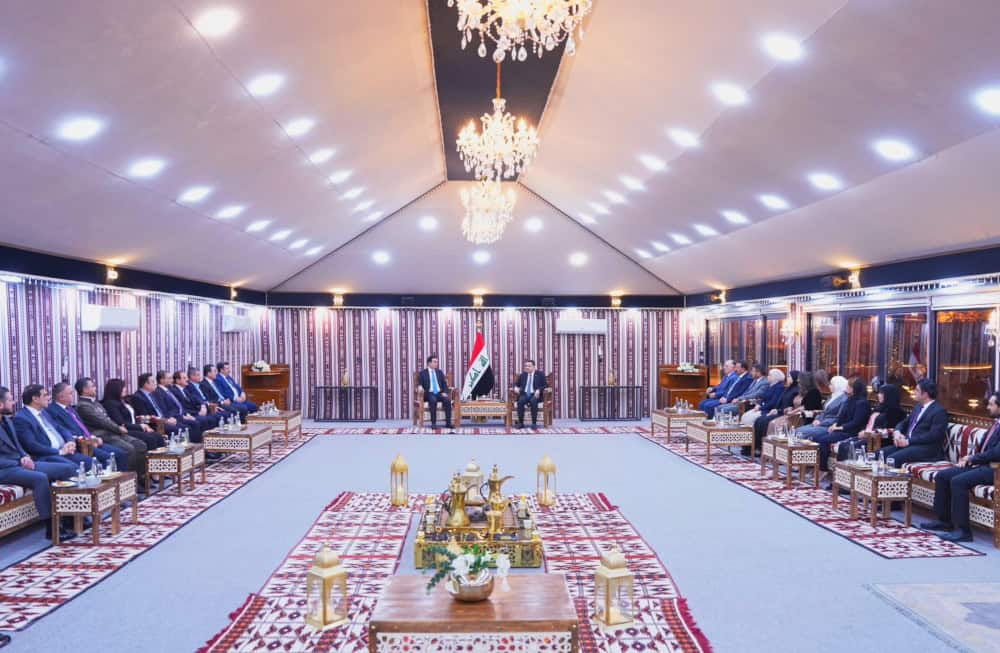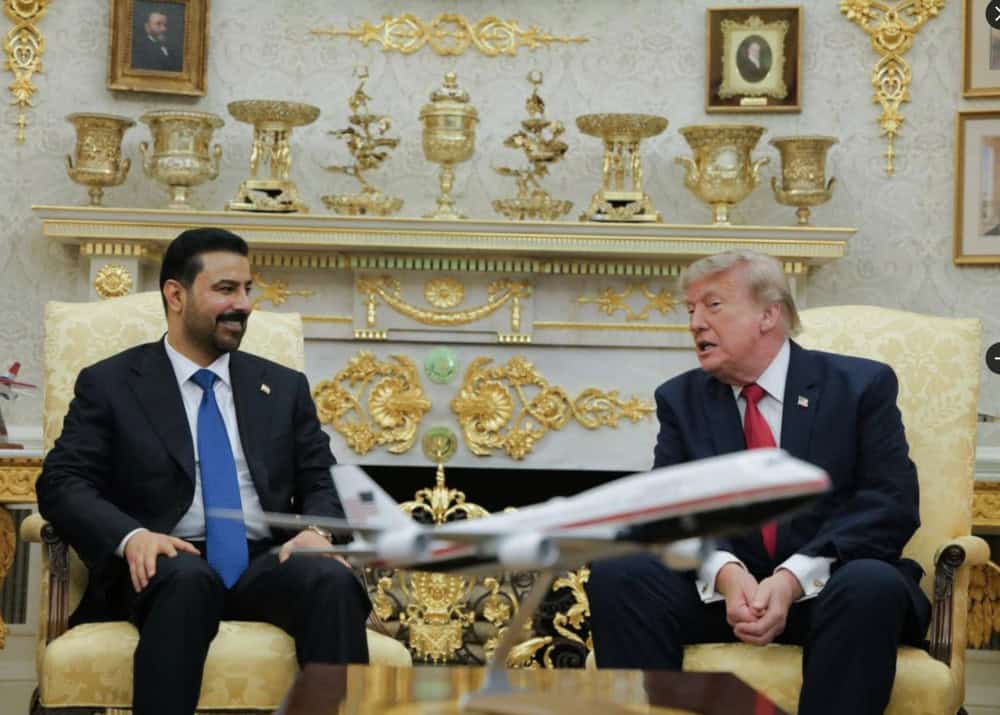
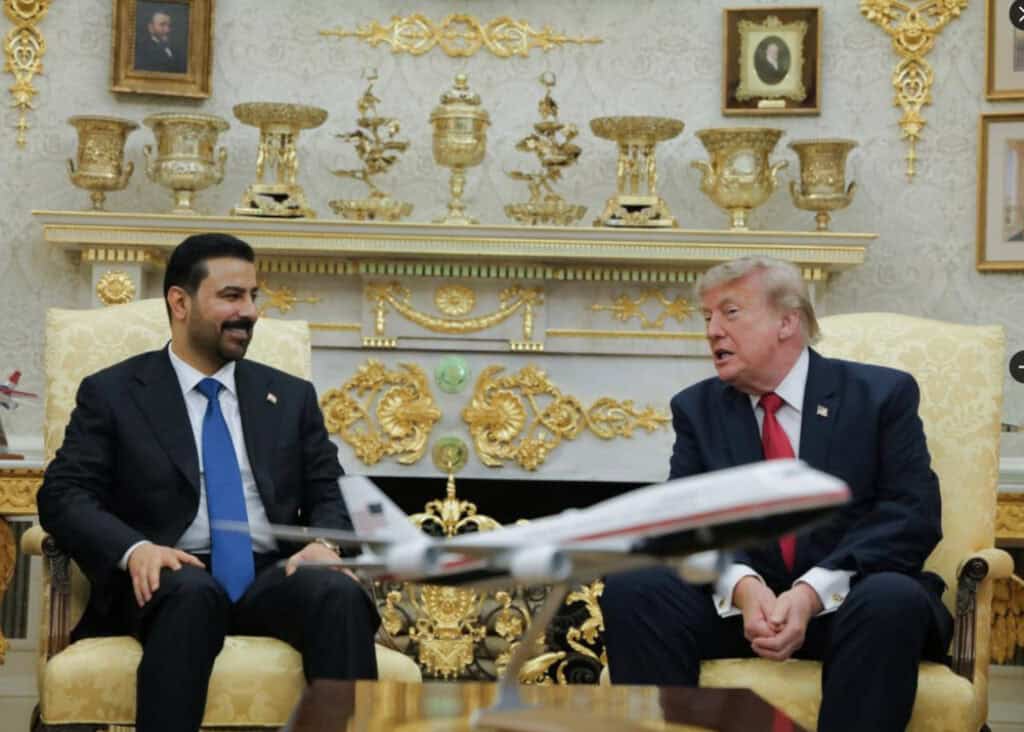
Iraqi Prime Minister Ali al Zaidi met with US President Donald Trump on July 14 as part of his multi-day trip to Washington. It is Zaidi’s first trip to the United States after being sworn in in May 2026. The recently appointed prime minister has faced US pressure to move forward with plans to disarm Iranian-backed militias in the country and place their arms under state control. Zaidi’s trip also comes as the US prepares to withdraw forces from Iraq at the end of September. US military personnel returned to Iraq in 2014 to support Baghdad and the Kurdistan Regional Government of northern Iraq in their fight against the Islamic State.
Zaidi arrived in Washington on July 13. The Rudaw Media Network, which accompanied the prime minister on his trip, noted that Iraqis hoped that the visit “would result in greater American investment and increased economic cooperation in Baghdad’s electricity, energy, and infrastructure sectors.”
Prior to his trip, on July 12, Zaidi met with US Ambassador Tom Barrack, the US envoy to Syria and Iraq, in Baghdad. “The meeting addressed developments in the regional situation, the importance of supporting efforts aimed at enhancing security and stability and reducing levels of tension, and the pivotal role that Iraq can play in bringing viewpoints closer together and contributing to de-escalating the situation at the regional level,” the Iraqi Prime Minister’s Office stated.
President Trump praised the Iraqi leader in his meeting in Washington on July 14. “This man is going to be a great leader in the Middle East, beyond Iraq. His influence is going to spread all throughout the Middle East,” Trump said.
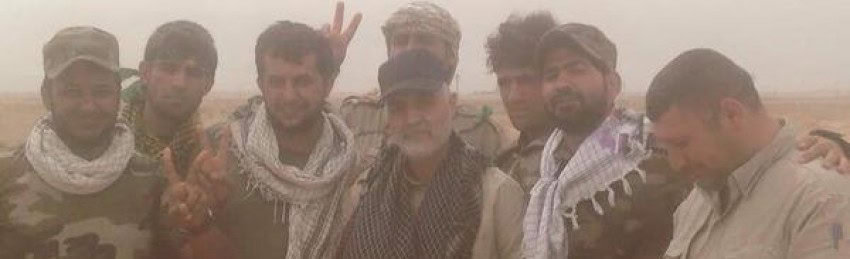
“Despite US President Donald Trump’s praise for Iraqi Prime Minister Ali al-Zaidi during their White House meeting on Tuesday, remarks about the 2020 killing of Iranian Quds Force commander Qassem Soleimani and former Popular Mobilization Forces (PMF) deputy chief Abu Mahdi al-Muhandis triggered a broad political debate in Iraq,” the London-based Asharq al-Awsat newspaper added.
The Iraqi prime minister also met with members of Congress and with members of the Iraqi community in the US.
US Secretary of War Pete Hegseth hosted Zaidi on July 15. Hegseth noted that Iranian-backed militias had carried out more than 600 attacks on US personnel in Iraq over the last five months and called on Iraq to disarm the groups. “The U.S. is also looking to the Iraqi Security Forces, including the Peshmerga and other Iraqi Kurdistan Region security forces, to lead in D-ISIS [anti-Islamic state] efforts as the OIR [Operation Inherent Resolve] military mission winds down. A secure Iraq opens the door to strong commercial and defense cooperation,” the secretary of war stated.
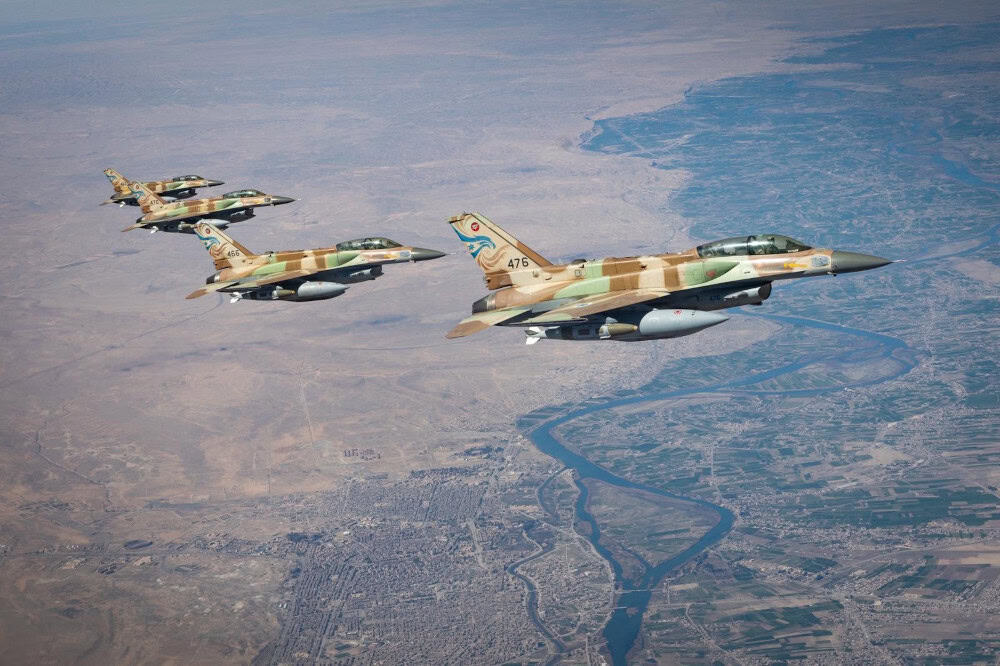
During Zaidi’s trip to the US, Iraq was attacked by Iranian drones on the evening of July 15. The prime minister condemned the strikes but did not mention Iran in his comments. The attack caused the Dana Gas facility in the Kurdistan Region of northern Iraq to suspend operations. The prime minister also ordered a probe into a smuggling attempt that was intercepted by Syrian security forces on the Iraq-Syria border on July 16. Syria’s Interior Ministry said on July 16 that it had found numerous weapons, including missiles, in a tanker truck that was seeking to enter Syria from Iraq at the Al Tanf Border Crossing.
Some observers expressed skepticism and pushback regarding the Zaidi trip. US Congressman Joe Wilson noted that “Iraqi leaders come and go but the system stays the same [sic] an entire government system based on only one thing — serving Iran’s Supreme Leader, and funding sectarian terrorist militias.”
In Iraq, the secretary-general of the US-sanctioned Harakat Hezbollah al Nujaba Movement, Akram al Kaabi, slammed President Trump for his statements in the meeting with Zaidi. Kaabi stated to Iraq’s Shafaq News that “the symbols of Iraq and the resistance, Al-Muhandis, Soleimani and others, are honoring the (rotten head) of the foolish child-killer Trump and all his criminal, evil government.” Harakat Hezbollah al Nujaba is one of the militias that is supposed to be disarmed or have its arms put under state control. Kaabi has previously rejected calls that his militia be disarmed.