In the wake of several drone strikes on Saudi Arabia’s East-West Crude Oil Pipeline on September 11, the Iraqi government confirmed that the attack came from Iraq. “Iraq said it had fired a military commander and launched an investigation after admitting the drone attack on its neighbour’s East-West pipeline had originated in one of its provinces bordering Iran,” the BBC reported on September 12. The incident comes as Iraq seeks to disarm Iranian-backed militias, some of which are suspected of conducting the strikes on the Saudi pipeline. In addition, Iran has continued attacking Kurdish Iranian opposition groups based in northern Iraq.
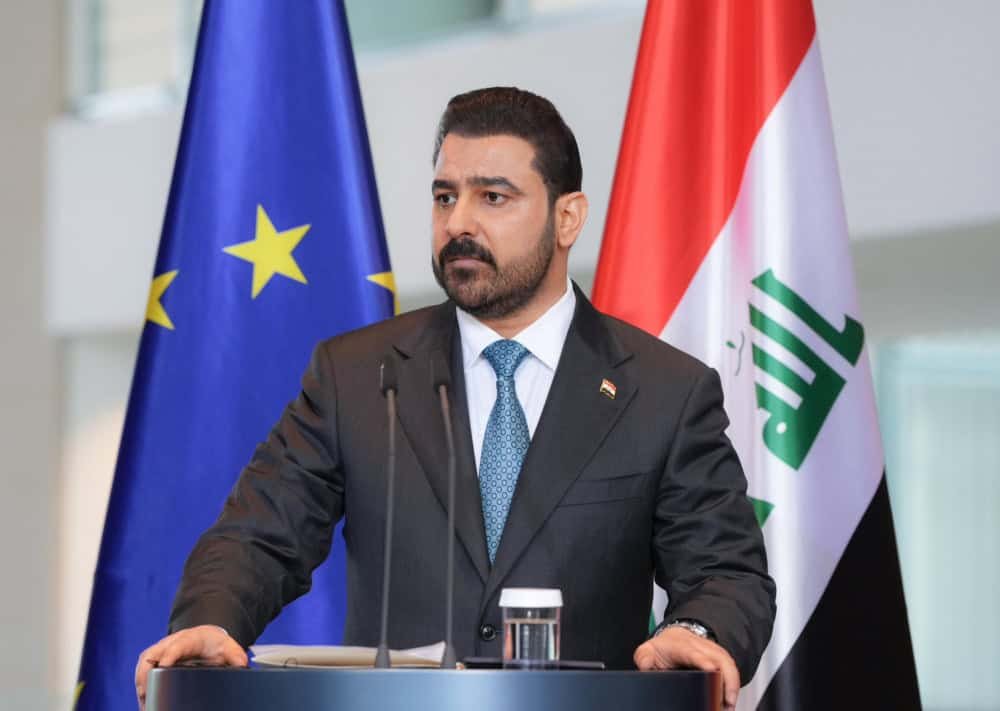
Baghdad moved quickly to confirm that the attack on Saudi Arabia came from its territory. Iraqi Prime Minister Ali al Zaidi also said he would form a board to investigate the incident, according to Brigadier General Sabah al Numan, spokesperson for the commander in chief of the Iraqi armed forces. Iraq removed the operations commander in Maysan province, which borders Iran, from his position over a failure to prevent the attack. Iraqi forces temporarily closed border crossings with Iran in the area and found drone launchers.
The Iraqi government’s quick response comes after similar attacks on Saudi Arabia from Iraqi territory in July. On July 28, Saudi Arabia and US Central Command conducted retaliatory strikes on Iraqi militias in response to those attacks. Iraq sought to head off any retaliatory operations after the latest incident.
“Head of the Security Media Cell, Lieutenant General Saad Maan, affirmed on Tuesday that Iraq does not allow any attacks against countries in the region, noting that investigations are ongoing to identify those responsible for launching the drones,” the state Iraqi News Agency said on September 15.
Iraqi Prime Minister Zaidi was preparing for a trip to Europe when the attacks on Saudi Arabia occurred, departing for France on September 13.
Several Iraqi officials issued statements denouncing the attack. “We strongly condemn the attack carried out against Saudi Arabia’s Aramco facilities and express our full solidarity with Saudi Arabia and our support for its security and stability,” the Kurdistan Region Presidency said in a statement on September 12. Iraqi Speaker of Parliament Haibat al Halbousi also condemned the attack.
No groups have claimed responsibility for the attack on Saudi territory, and Iraq has continued to signal that it is investigating. The Islamic Resistance in Iraq, an umbrella group of Iranian-backed militias, denied that it was responsible.
“Evidence gathered so far in ongoing Iraqi government investigations increasingly points to a small armed network operating outside established Iran-backed Shiite faction command structures as responsible for the attack on Saudi Arabia’s East-West oil pipeline, Iraqi security officials familiar with the investigations’ progress told The New Region,” the Erbil-based digital news outlet reported.
The New Region noted that suspicion has fallen on two Iranian-linked groups: the Badr Organization and Harakat Ansar Allah al Awfiya (HAAA). HAAA has been sanctioned by the US, while Badr has not. However, the report claims the perpetrators carried out the operation without orders from their commander, possibly indicating that the militia they belong to won’t be held responsible. These claims have been picked up by various Iraqi media outlets.
As Iraq investigates the latest attack from its territory, the country’s militias are resisting giving up their arms to state control. The Rudaw Media Network reported on September 16 that Kataib Hezbollah and Harakat Hezbollah al Nujaba continue to reject disarmament. Whether other major militias, such as Kataib Sayyid al Shuhada, will comply is still being debated in Iraq. Reports by local journalists indicate that the weapons handover will not happen before September 30, when US troops that are part of the anti-Islamic State coalition are expected to leave the country fully.
The attack on Saudi Arabia also comes as Iran continues to target Kurdish Iranian opposition groups based in the Kurdistan Region of northern Iraq. On September 14, the Komala opposition group said that one of its camps had been targeted in Sulaymaniyah province. The group faced similar attacks earlier in September. The Kurdistan Freedom Party (PAK) also said one of its bases had been targeted on the evening of September 15. The attacks caused no casualties.
Reporting from Israel, Seth J. Frantzman is an adjunct fellow at FDD and a contributor to FDD’s Long War Journal. He is the senior Middle East correspondent and analyst at The Jerusalem Post, and author of The October 7 War: Israel’s Battle for Security in Gaza (2024).