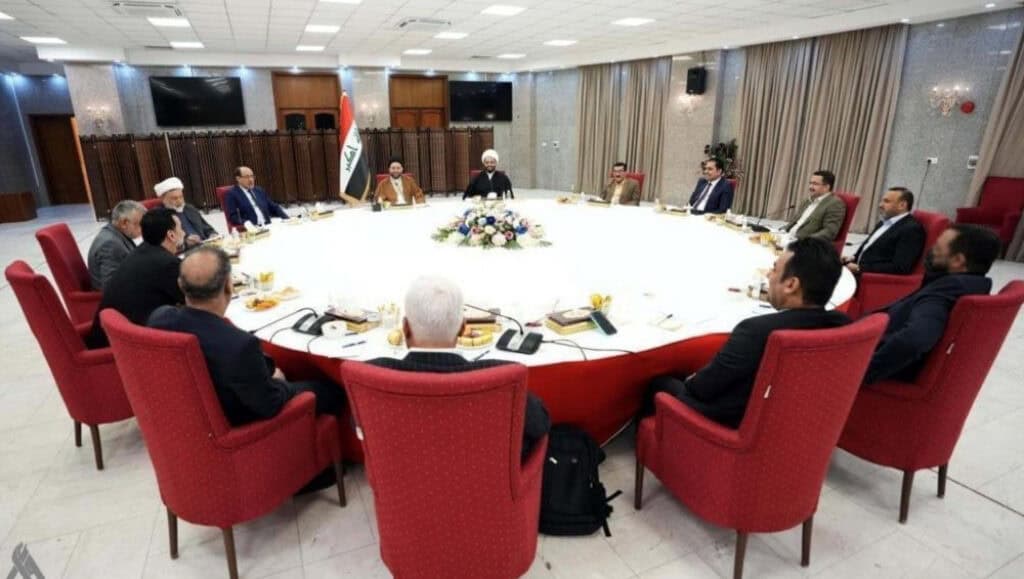
Iraqi Shiite political parties are seeking to appoint a new prime minister amid significant internal and external pressures. The Coordination Framework (CF), a coalition of Iraqi Shiite parties, was working to decide on a nominee within the next 24 hours, Iraq’s Shafaq News reported on April 20. However, that evening, the CF delayed its decision to nominate a candidate for the office until April 22. At the same time, the Saudi state-owned news channel Al Hadath reported that the US had suspended security coordination with Baghdad until a government is formed that investigates attacks on Americans in Iraq. In addition, Esmail Qaani, the head of Iran’s Islamic Revolutionary Guard Corps-Qods Force (IRGC-QF), criticized “foreign interference” during a visit to Iraq on April 19.
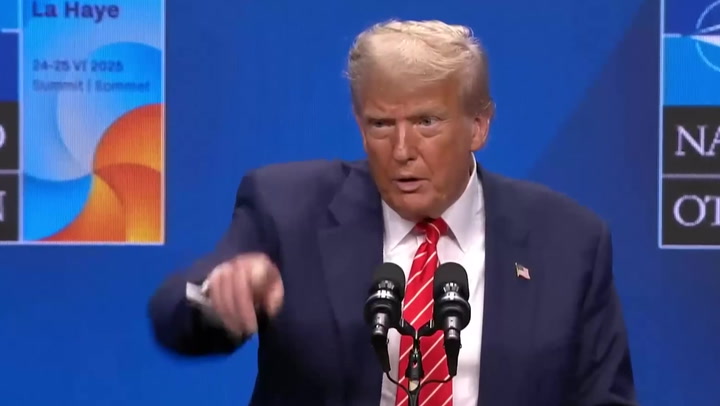
Iraq has experienced political uncertainty since its November 2025 elections, a situation complicated by the war between the US and Iran. Former Iraqi Prime Minister Nouri al Maliki has been seeking to replace current Iraqi Prime Minister Mohammed Shia al Sudani. However, US President Donald Trump warned Iraq against appointing Maliki in January, a position stemming from Maliki’s ties to Iran-backed factions in Iraq.
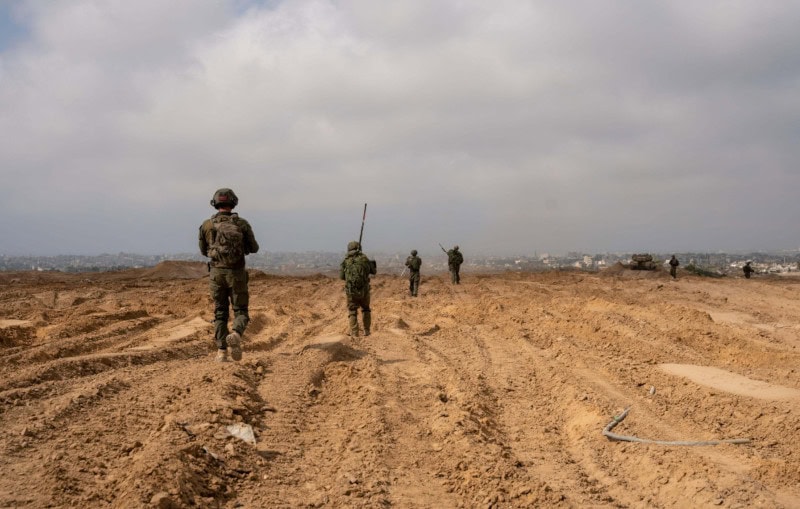
In the wake of the US and Israeli strikes on Iran that began on February 28, there have been hundreds of attacks on US interests in Iraq by the country’s Iranian-backed militias. Among the targets of the militias have been US diplomatic facilities, American-operated or affiliated energy sites, and US citizens.
The US Embassy in Baghdad warned on April 20 about Iran-backed threats. “Iraqi terrorist militias aligned with Iran continue to plot additional attacks against U.S. citizens and targets associated with the United States throughout Iraq, including in the Iraqi Kurdistan Region (IKR),” the embassy stated. “Some elements associated with the Iraqi government continue to actively provide political, financial, and operational cover for these terrorist militias,” the embassy added. The warning comes three days after the US Treasury Department designated seven commanders from four Iranian-backed militias as terrorists.
A report at The New Arab said that IRGC-QF head Qaani traveled to Iraq on April 19 “to meet political leaders and representatives of armed factions and to discuss the Middle East war and its impact on Iraq, a senior Iraqi official told AFP news agency.” His meetings with Iranian-backed militias “focused primarily on the issue of factional weapons and how they are managed,” according to Shafaq News, which also reported that the IRGC-QF commander slammed “foreign interference” in Iraq’s affairs. The comments, interpreted as being directed at the US, came amidst the politicking over the prime minister’s office. Qaani has made numerous visits to Iraq over the last six years.
Al Hadath’s report on the US suspending security coordination states that “sources told Al-Arabiya/Al-Hadath that the American side has suspended security coordination meetings with Baghdad until the government is formed and those involved in the bombing of the American embassy and the logistics support base at Baghdad International Airport are revealed.”
Recently, the US-Iraq High Joint Coordination Committee met for a fifth time on April 12, since being formed on March 27. “A US State Department official confirmed to Alhurra that a series of economic and security measures had been taken regarding Iraq,” the US-funded Alhurra news network noted on April 20. “Two Iraqi cabinet sources confirmed to Alhurra that the United States has halted shipments of US dollars to Iraq.”
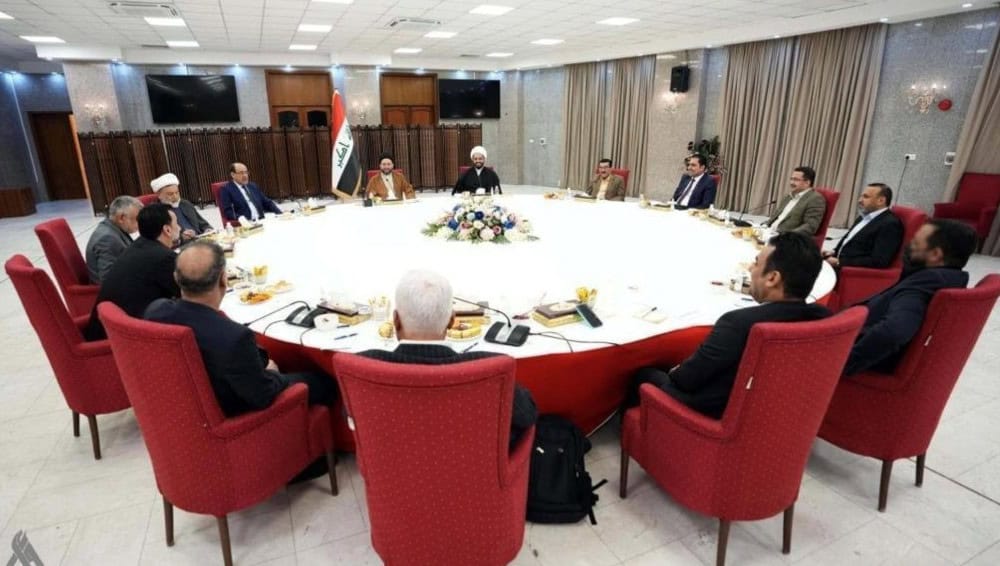
Iraq’s Coordination Framework appeared to be working intensely to select a new prime minister on the evening of April 20. It held a meeting at the office of Iraqi cleric and political leader Ammar al Hakim that day.
The Erbil-based Rudaw Media Network reported that the CF might be willing to reappoint current Prime Minister Sudani. In contrast, Shafaq reported on April 19 that Maliki continues to enjoy support among some parties in the CF. Reports also circulated that a third candidate, Bassem al Badri, head of Iraq’s Supreme National Commission for Accountability and Justice, had been nominated late in the evening of April 20. However, the state-run Iraqi News Agency reported that a final decision by the CF was delayed until April 22.
Meanwhile, in northern Iraq, a coalition of Kurdish Iranian political parties denounced the United Nations for its “silence” over the last month as Iranian-backed militias targeted their bases and members.
“We strongly criticize the representation of the United Nations in Iraq and the Kurdistan Region, and believe that their silence and passivity in the face of these war crimes, and neglect of their humanitarian responsibilities, have emboldened the Tehran regime to commit more aggression and terror,” the Alliance of Iranian Kurdistan Political Parties said, according to Rudaw. In recent drone and missile attacks claimed by the IRGC on April 18, three members of Kurdish Iranian opposition groups in northern Iraq were killed, and five were wounded.