
On June 19, US Central Command (CENTCOM) carried out an airstrike targeting a senior leader of the Islamic State in Syria as the US maintains its decade-long campaign against the jihadist group. The strike comes as Syria’s government continues to try to stabilize itself and conduct foreign policy outreach. On June 22, Arab News in Saudi Arabia reported that Syrian President Ahmed al Sharaa had pushed back on pressure from the White House to intervene in neighboring Lebanon.
On June 24, in a post on X, CENTCOM announced that it had recently carried out a strike on the senior Islamic State leader. “The precision strike killed Ali Husayn al-‘Ulaywi and is part of ongoing U.S. efforts to disrupt and eliminate terrorists seeking to attack Americans abroad or the U.S. homeland. CENTCOM forces continue to work alongside regional partners,” the announcement stated. “CENTCOM and our partners remain committed to rooting out remaining remnants of ISIS [the Islamic State] to ensure its enduring defeat,” CENTCOM head Admiral Brad Cooper said.
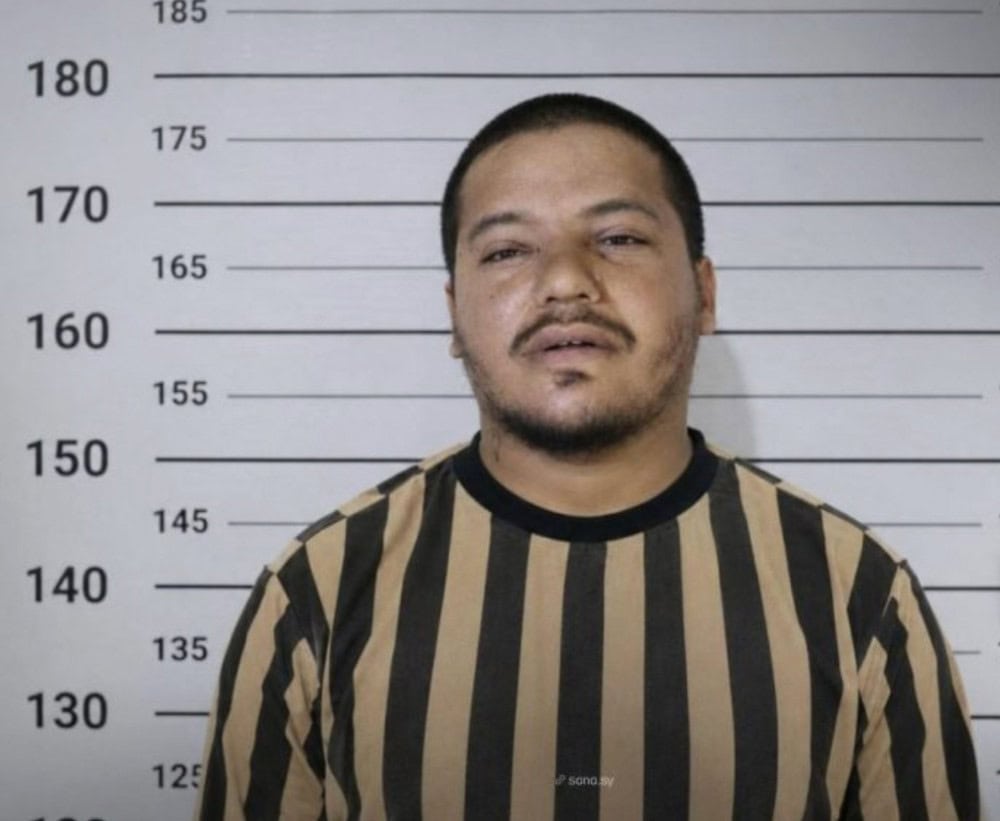
The Islamic State was largely defeated in Syria in 2019 by the US-backed Syrian Democratic Forces (SDF). However, the jihadist group has remained a threat and carried out intermittent attacks over the last year. For instance, on June 21, the Islamic State claimed responsibility for an attack near Aleppo that killed two Syrian soldiers. On June 20, the Syrian Arab News Agency (SANA) said that Syrian security forces had arrested Akram Saleh al Hamad, whom the Interior Ministry accused of being involved in manufacturing explosive devices.
The continued clashes with the Islamic State come as Syria is attempting to stabilize itself through reconstruction and outreach to other countries. On June 25, Syrian Foreign and Expatriates Minister Asaad Hassan al Shibani met with the United Arab Emirates President Sheikh Mohammed bin Zayed Al Nahyan in Abu Dhabi. “The two sides discussed ways to strengthen bilateral relations between the two countries, continue joint diplomatic efforts, follow up on the outcomes of the economic forum, and enhance cooperation across a range of sectors,” SANA noted.
As Syria works toward diplomatic engagement and focuses on domestic policies, it rejected the possibility of intervention in Lebanon. US President Donald Trump suggested on the sidelines of the G7 meetings in France on June 17 that Syria could intervene in Lebanon to fight Hezbollah. Sharaa, who has cultivated close ties with the Trump administration, pushed back on the idea in an interview with Lebanon’s Al Mashhad TV on June 21, noting that Syria was seeking economic ties with Lebanon, not a military clash.
“The President emphasized that Syria has presented a different approach to resolving the situation, explaining that discussions with the United States focused on ending the war, addressing its negative repercussions on both Lebanon and Syria, and pursuing economic, political and social solutions capable of supporting long-term stability,” SANA noted.
US statements about Syria possibly intervening in Lebanon led to discussions in Jerusalem about the development. “Prime Minister Benjamin Netanyahu will hold a closed security meeting on Syria and Lebanon amid U.S. President Donald Trump’s remarks about the possible entry of Syrian forces into Lebanon,” Israel’s Ynet reported, also noting that Israel opposes Syria deploying forces in Lebanon.
Under the former regime of Bashar al Assad, Syrian forces occupied parts of Lebanon from 1976 to 2005, and Syria was a conduit for weapons transferred from Iran to Hezbollah. After Assad’s fall in December 2024, the country’s new government has taken steps to prevent smuggling to Hezbollah.


