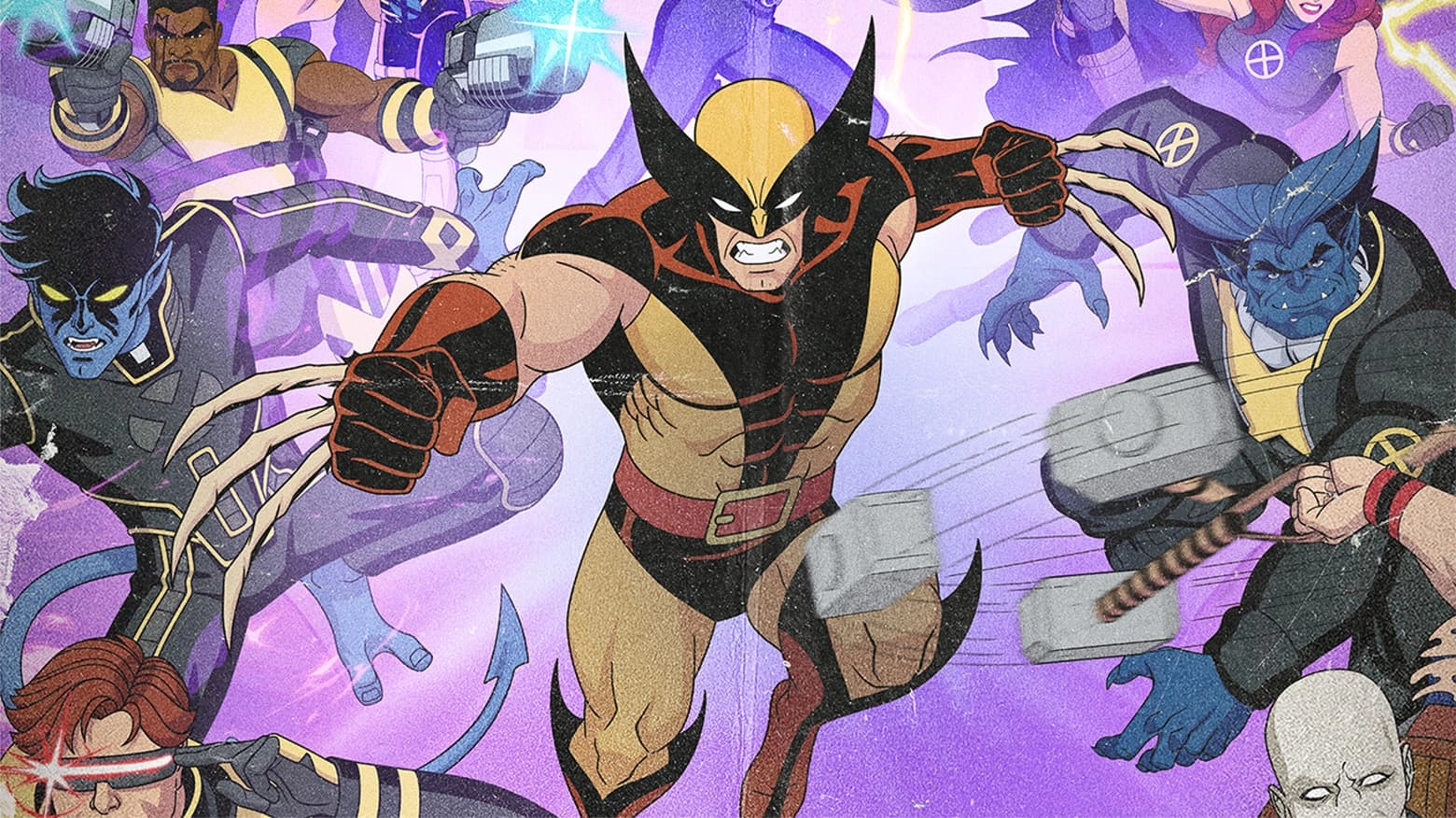
To save Gambit from Apocalypse, Rogue made a cosmic deal with the Celestial who transformed En Sabah Nur into the unstoppable foe the X-Men have learned to fear. In exchange for the power she needed to defeat the ancient mutant, Rogue agreed to give her life to spare her lover’s. But Nightcrawler couldn’t let that happen. Driven by his love for his sister, Kurt Wagner bargained with the Celestial, shouldering the cost of Rogue’s sacrifice and completing it for her.
“How can you be so certain that your end will bring forth all this life?” demanded the Celestial. Nightcrawler couldn’t know for sure, but the spiritual mutant believed in his fellow X-Men and their ability to build a better future – even one that didn’t include him. And in a flash of white light, the elf-like hero saved Rogue.
But despite Nightcrawler’s gut-wrenching sacrifice, something feels different about this goodbye – especially compared to Gambit’s death in Season 1 and the loss of Magneto earlier this season. X-Men ‘97 doesn’t close out its second season with a funeral for Kurt, nor does a sense of mournful dread fill the air. This was a deliberate choice by the show’s storytellers. “It’s a different kind of sad,” Castorena says. “It’s almost a hopeful thing.”
“We boarded that at least three or four different ways – and I mean truly completely different ways,” explains the supervising producer. “There was one instance where [the X-Men] were all having dinner at the family table together and we cut to reveal that there was an empty chair that was for Kurt. They make him a plate even though he’s not there.”
Instead, a montage peacefully plays out, showing mutants making new memories, sharing, learning, and living together. As the credits roll, the season ends on a rather optimistic note, one that almost feels radical in the wake of such tragedy: Even in the face of death, life goes on.