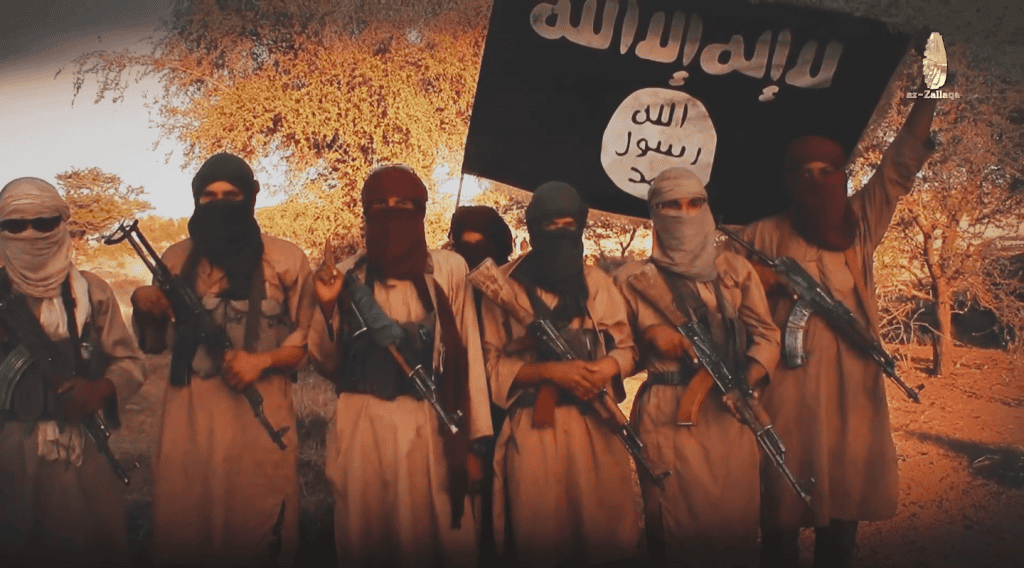
Beginning on Saturday, Al Qaeda’s Group for Support of Islam and Muslims (JNIM), and its allies in the Azawad Liberation Front (FLA), a collection of Tuareg and Arab rebel groups, fully or partially captured several cities from the Malian state and its Russian allies. The massive, coordinated offensive is the largest of its kind in Mali since 2012, when al Qaeda and its rebel allies took over all of northern Mali and prompted a French-led intervention.
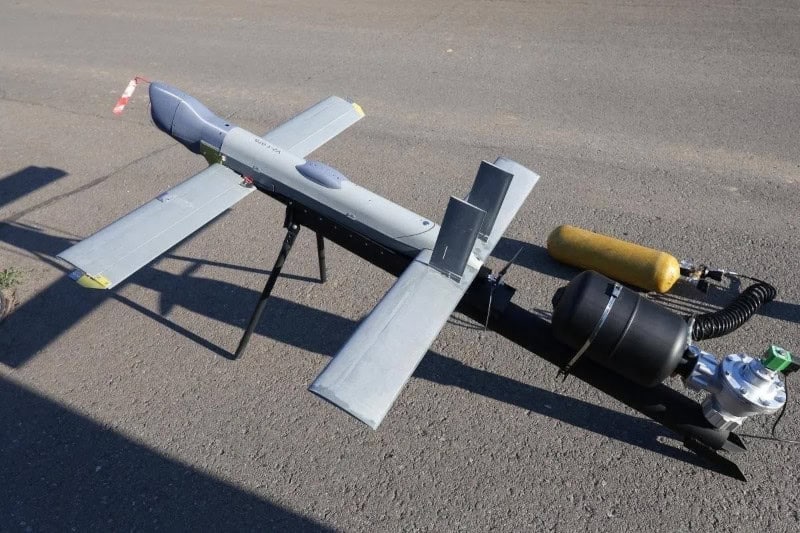
Early on Saturday morning, gunfire and explosions rang out almost simultaneously across Mali, ranging from just outside its capital in Bamako in the south to the largely Tuareg city of Kidal in its extreme north. Militants made use of traditional military assaults, while suicide car bombs and kamikaze drones were also used as force multipliers by the rebels, further enabling the scale of the offensive.
In Mali’s north, both JNIM and the FLA jointly targeted the cities of Kidal and Gao, with the former city being quickly overrun and captured. Some sporadic clashes in Kidal were still reported on Sunday, with some Malian troops still holding out in former UN positions to the city’s south.
Gao, however, remains only partially under the control of the joint JNIM-FLA force, with Malian troops and Russian mercenaries holed up in former UN positions in the city. Unconfirmed reports of negotiations between the Russians and the rebel forces have been circulating on social media, but their validity is unclear as of the time of publication.
In Mali’s southern and central regions, JNIM conducted the offensive unilaterally. Jihadist forces targeted the Bamako suburb of Kati, home to various state ministers and government institutions, as well as Bamako’s airport, as confirmed by the US embassy in Mali. At least one suicide car bomb targeted the residence of Malian Minister of Defense Sadio Camara in Kati, killing him. Camara, an influential figure in the country’s military regime, was also instrumental in forging and maintaining ties with Russia.
Other locations and checkpoints inside Bamako, Mali’s capital and largest city, were also struck by the jihadists. JNIM reportedly attacked a military base in Senou in the Koulikoro Region to the south of Bamako. The Bamako-Sikasso road also reportedly fell under a JNIM-imposed blockade.
In Mali’s center, the cities of Mopti and Sevare came under attack, with both locales currently split between jihadist and government control as of the time of publishing.
Kidal, a predominantly Tuareg city, was previously under the control of Tuareg factions following the signing of the 2015 Algiers Accords that sought to end conflict between Bamako and various rebel groups in the country’s north. However, the Malian Army and its allies in Russia’s Wagner Group/Africa Corps forcibly retook Kidal in November 2023 following a rise in tensions between the parties earlier that year. FLA was then subsequently formed in the aftermath of the Malian state recapturing areas in the country’s north.
Gao, in contrast, has been outside of rebel control since French and Malian forces recaptured the city in 2013. And though the towns of Mopti and Sevare have never technically been outside the control of the Bamako government, JNIM has been able to exert intense influence, including imposing economic blockades, levying taxes, and enacting Sharia law in Mopti and various nearby locales in the wider Mopti Region.
JNIM and FLA have issued statements celebrating their joint successes in the offensive and congratulating each other on the assaults, confirming the partnership. JNIM stated that it struck inside Kati and Bamako, and fully or partially captured Mopti, Sevare, Gao, and Kidal. The FLA announced that the joint forces fully captured Kidal and partially captured Gao and confirmed its alliance with JNIM.
Both groups denounced the Malian state’s alliance with Russia. However, JNIM encouraged the Russian mercenaries to stay out of the fighting.
Offensive poses several questions
JNIM and FLA’s unprecedented offensive across Mali raises vital questions about the country’s future. First and foremost, is Mali about to fall to an alliance that includes Al Qaeda’s official branch in West Africa? Further, what would a Mali under the joint control of an Al Qaeda branch and a non-jihadist conglomerate of rebel groups look like? Would the FLA agree to Sharia law? Would various civilian populations across the state? What happens to the Islamic State presence in northern Mali, as well as the Russian presence?
These questions cannot be immediately answered. However, it is clear that the large-scale offensive is meant to exert intense pressure on Assimi Goita’s military junta in Bamako. The offensive shows that JNIM, and to a lesser extent FLA, can strike wherever and whenever it pleases, including in some of the most highly defended sites in the country.
In addition to the military and tactical benefits of recapturing territory from the Malian state, the offensive also carries intense symbolic significance, as its size and scope clearly sought to degrade the Goita regime’s legitimacy.
JNIM has long placed pressure on various locales in central and southern Mali with blockades, by levying taxes, and enacting Sharia law, diminishing or replacing state authority across large swathes of territory. It has also imposed strict fuel blockades across much of Mali, including stopping fuel from reaching Bamako on multiple occasions. In addition, JNIM has increased the scale and tempo of its attacks in southern Mali in the last few years in an effort to pressure Bamako.
Whether this weekend’s blitzkrieg in Mali aims to compel a complete collapse of governance in Bamako, a coup against Goita, or state capitulation by way of some negotiated settlement between JNIM and Bamako remains to be seen. Regardless, it is clear that state authority in Mali is currently at its weakest point in recent years. The gamble that Goita’s military junta made in replacing France and the United States with mercenaries from Russia’s Wagner Group/Africa Corps as a security partner is seemingly unraveling.
In addition, with recent data suggesting that state forces kill more civilians than jihadists in Mali, civilian populations may start to increasingly look to JNIM and its partners as more effective governance and security providers. The Malian state’s fight against the Al Qaeda-led rebel coalition is at a critical juncture in the coming weeks and months.