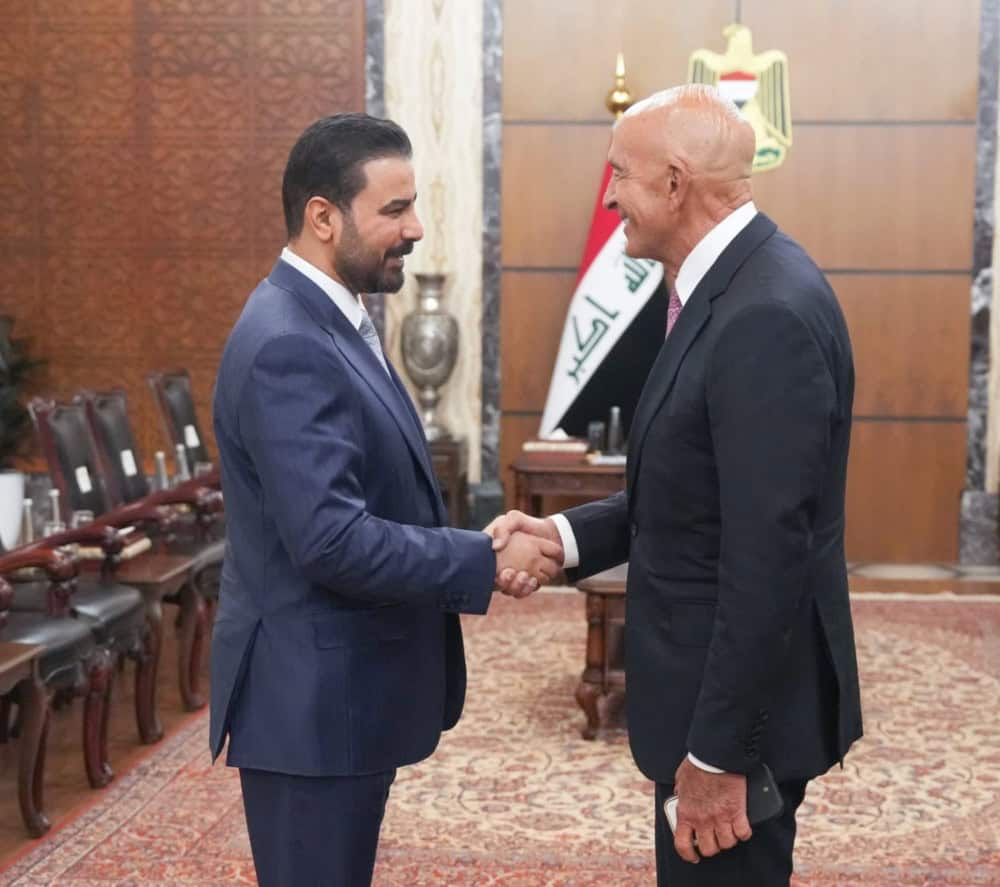
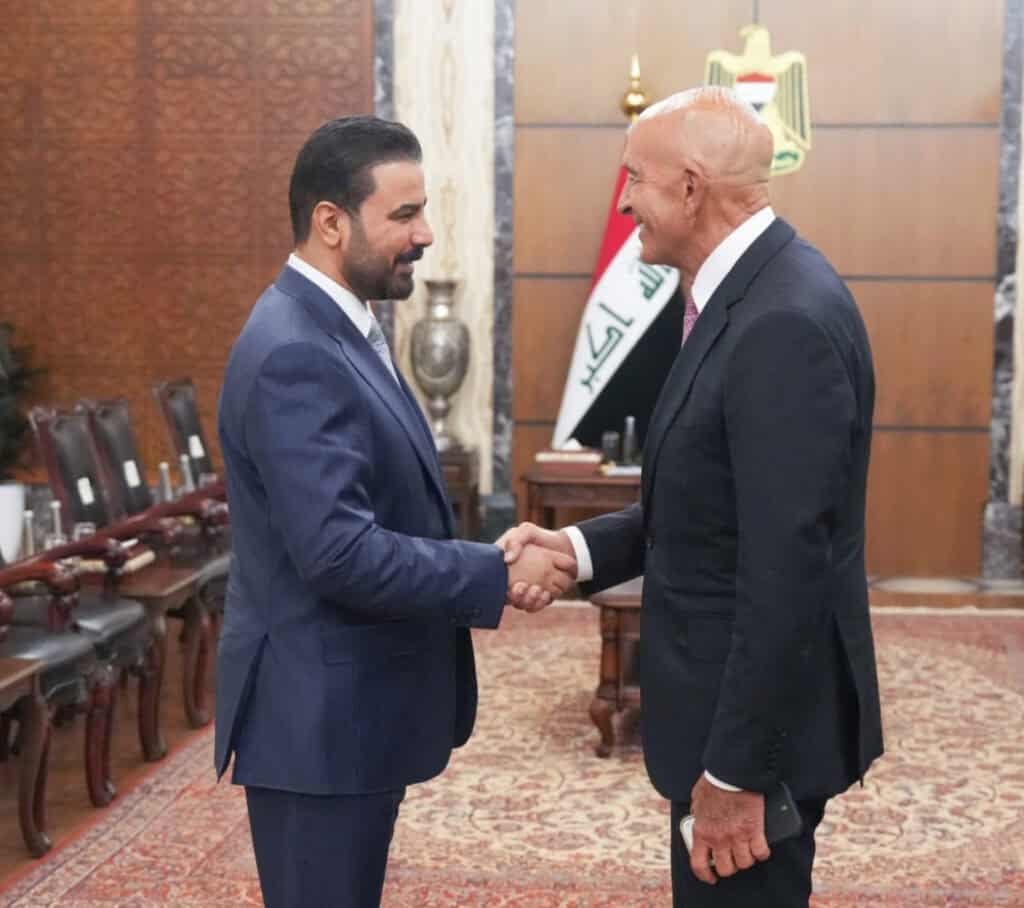
US Envoy to Iraq and Syria Tom Barrack met with Iraqi Prime Minister Ali al Zaidi on June 15 to discuss strengthening ties between Baghdad and Washington. The meeting comes as the US continues to press Iraq to disarm Iranian-backed militias and precedes an expected visit to Washington by Zaidi in July.
The talks also took place as an agreement between Iran and the US raised hopes in Iraq for regional stability and that the Strait of Hormuz would reopen, enabling Iraqi oil exports through the vital route to resume. However, on June 16, a Kurdish Iranian opposition group said it was targeted by an Iranian drone attack, illustrating how Iran continues to target Kurdish dissidents.
The US Embassy in Baghdad said on June 15 that Barrack “conveyed [that] President Trump looks forward to welcoming Prime Minister Al-Zaidi to the White House mid-July to discuss the future of this important relationship.” In addition, the men discussed Iraq’s plans to disarm the country’s armed groups, two weeks after several major militias indicated that they would give up their weapons. However, none of the most powerful Iranian-backed Iraqi militias appear to have actually handed over their arms. The Iraqi Prime Minister’s Office issued a statement about the meeting that was similar to the US Embassy’s statement. It also mentioned Iraq’s plans to completely disarm armed groups and formations operating outside state authority.
The Barrack-Zaidi meeting also included discussions about Iraq’s energy sector, including talks about Iraq’s negotiations with Chevron and a focus on several other US energy companies operating in Iraq. Simultaneously, Baghdad is focused on rehabilitating an energy pipeline that runs from Kirkuk in Iraq to Baniyas in Syria and is involved in discussions about renewing a deal to export oil via a pipeline from Kirkuk to Turkey’s Ceyhan.
After attending meetings in Baghdad, Barrack traveled to the autonomous Kurdistan Region in northern Iraq, where he met with key Kurdish leaders from the region’s largest parties. His trip coincided with the Kurdistan Region also hosting the commander of the Syrian Democratic Forces (SDF), Mazloum Abdi. Local reports did not indicate if any concrete decisions were made during the meetings, but the atmosphere appeared positive. The visits by Barrack and Abdi reflected a continuing US commitment to the Kurdistan Region and the importance the region holds for Kurdish issues in neighboring Syria.
The potential US-Iran peace agreement may not resolve tensions in Iraq. Kataib Hezbollah (KH), one of the most powerful Iranian-backed militias in the country, said on June 17 that the Iran deal would not end conflict in Iraq or the region. The US has offered a $10 million reward for information on KH’s leader, Ahmad al Hamidawi. In addition, the Kurdistan Democratic Party of Iran, a Kurdish Iranian opposition group that has bases in northern Iraq, said it was targeted by an Iranian drone attack on June 16. Kurdish Iranian opposition groups have been targeted dozens of times since the US and Israel began strikes on Iran on February 28.
The push to disarm Iranian-backed militias that are linked to Iraq’s paramilitary Popular Mobilization Forces (PMF) has also led to discussions in Baghdad about applying the same policy to the Kurdistan Region’s Peshmerga armed forces. Shafaq News reported on June 15 that Iraqi political leader Ammar al Hakim indicated that reorganizing the PMF should be linked to a similar policy for the Peshmerga. Kurdish leader Masoud Barzani responded by pointing to the history of the Peshmerga, indicating that the Kurdistan Region would likely reject any changes to the status quo.