The Houthis in Yemen launched several attacks against Israel today, a month into the joint US-Israeli operation against Iran. Israel announced that it intercepted the first attack early Saturday, a ballistic missile that activated air defense sirens in Beersheva and surrounding areas in southern Israel. The Yemeni terrorist group reportedly fired a cruise missile at Israel hours later, which was intercepted before reaching Israeli territory, and also claimed “responsibility for a drone launched toward Israel’s Red Sea resort city of Eilat this evening,” which the IDF said it shot down.
Beyond direct attacks on Israel, the Houthis’ entry into the war adds another significant dimension to the ongoing regional conflict. The Iran-backed group is positioned on the Red Sea coast near the Bab al Mandeb Strait, a major maritime chokepoint. If the Houthis attempt to close the strait by targeting ships, as they did during the recent war in Gaza, it could increase pressure on international shipping and economies while the world is already dealing with the Iranian closure of the Strait of Hormuz.
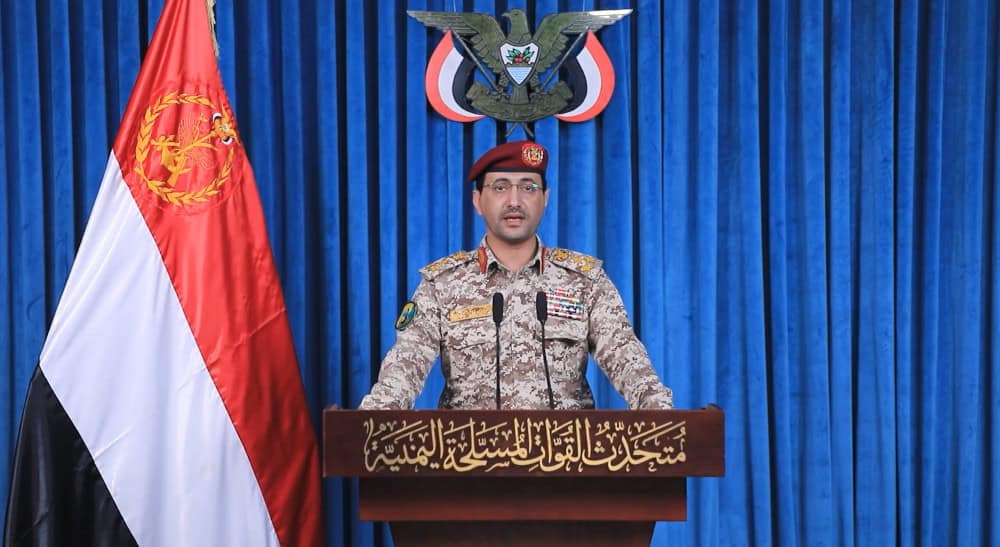
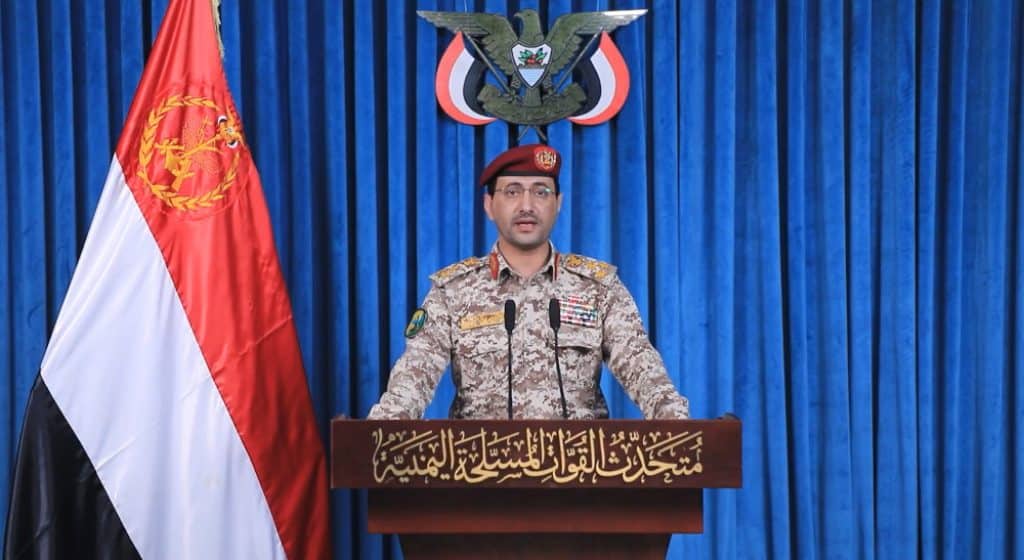
In a statement, the military spokesman for the Iran-backed Houthis, Yahya Saree, announced that “the Yemeni Armed Forces […] carried out the first military operation, namely a salvo of ballistic missiles, which targeted sensitive military objectives of the Israeli enemy in the south of occupied Palestine.” He said that the attack was “in support and backing of the Islamic Republic of Iran and the resistance fronts in Lebanon, Iraq, and Palestine, and given the continuation of military escalation, the targeting of infrastructure, and the commission of crimes and massacres against our brothers in Lebanon, Iran, Iraq, and Palestine.”
Saree also asserted that Houthi military action would continue “until the declared objectives are achieved,” referring to a statement he had made the day before. In that statement, he called for “the immediate cessation of aggression on Muslim countries in Palestine, Lebanon, Iran, and Iraq, and the lifting of the unjust siege on Yemen.”
In addition, Saree demanded American and Israeli participation in diplomatic efforts to end the conflict in Iran, as well as “implementing the Gaza agreement,” a reference to humanitarian aspects of the ceasefire deal between Israel and Hamas. He also said that the Houthis’ “fingers are on the trigger for direct military intervention” if other countries join operations against Iran or its partners, the Red Sea is used to conduct attacks, or a further escalation against Iran requires their participation.
Since the beginning of the US and Israeli military campaign against Iran on February 28, the Houthis have repeatedly affirmed their support for Iran and its other regional proxies, Hezbollah in Lebanon, and the Iraqi militias, but had not joined the conflict until today.
The Iran-backed terror group had launched hundreds of drones and missiles at Israel, commercial shipping, and US forces during the war between Israel and Hamas that began on October 7, 2023, claiming the attacks were conducted in solidarity with Gazans. The Houthis ceased attacks after Israel and Hamas reached a US-brokered ceasefire in October 2025. The United States, Israel, and the United Kingdom have all previously carried out airstrikes against the Houthis in response to the group’s Red Sea terrorism that threatens global shipping, including the US-led bombing campaign, Operation Rough Rider, that ran from March 15 to May 6, 2025.