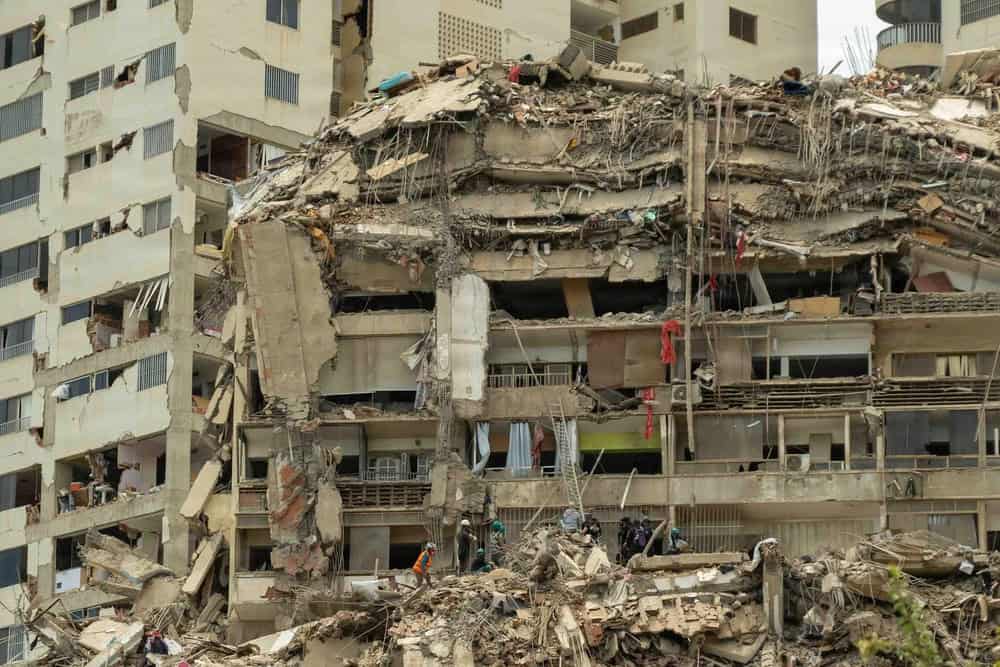
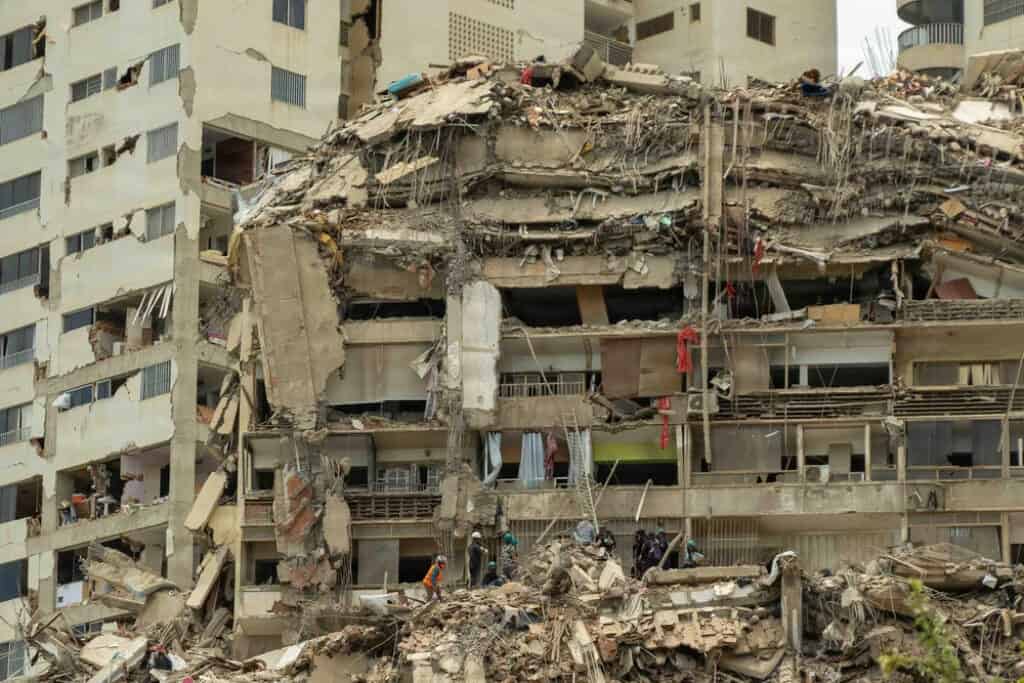
Twin earthquakes that struck north-central Venezuela on June 24 have killed at least 4,829 people, injured 16,740, and left approximately 18,000 homeless, according to the Venezuelan government’s count. A US Geological Survey calculated a 44 percent probability that the earthquakes had killed between 10,000 and 100,000 people. The disaster has overwhelmed Venezuela’s emergency services and disrupted political developments that had accelerated following the American capture of former President Nicolas Maduro in January.
A magnitude 7.2 earthquake struck at approximately 6:04 p.m. local time, followed 39 seconds later by a magnitude 7.5 mainshock. The earthquakes were Venezuela’s strongest in 125 years and caused extensive damage in La Guaira, Caracas, Yaracuy, Carabobo, Aragua, Miranda, and Cojedes.
A preliminary satellite assessment using European Space Agency radar identified approximately 58,870 buildings as potentially damaged or destroyed. The Venezuelan government reported only 855 damaged buildings and 189 collapses by June 29, while some communities found approximately 90 percent of buildings had sustained damage.
The government has not released an official count of the missing. The International Rescue Committee cited approximately 30,000 missing, while UN humanitarian chief Tom Fletcher described an estimate of 50,000 as “terrifyingly plausible.”
The United Nations and Venezuelan authorities agreed to procure 10,000 body bags. More than 200 bodies were reportedly left in a La Guaira hospital parking lot before being transferred to refrigerated containers at the nearby seaport. Mass burials began at La Esperanza cemetery on July 6, and forensic personnel warned that collecting bodies could take three months.
Residents reported shortages of heavy machinery, fuel, medical supplies, and rescue tools. Volunteers and private organizations began search-and-rescue operations before state agencies reached some locations.
Interim President Delcy Rodriguez declared a state of emergency and appointed National Guard commander Juan Ernesto Sulbaran Quintero to oversee rescue operations. She later created a commission to assess housing damage. Rodriguez did not hold her first full press conference on the disaster until July 2, eight days after the earthquakes.
Rodriguez rejected criticism of her government’s response and said the government had mobilized immediately. She accused journalists and opponents of creating narratives in “propaganda laboratories” and claimed, without publicly releasing evidence, that approximately 80 percent of the destroyed buildings had been privately developed.
Police and Civil Protection officials subsequently interfered with several collection centers associated with Vente Venezuela, the opposition party founded by Maria Corina Machado. Officials in Portuguesa demanded that organizers turn their supplies over to the government, while National Police officers reportedly closed another collection point in Barinas.
Interior Minister Diosdado Cabello said that relief should be distributed through government-controlled communes and official institutions. Four members of Venezuela’s criminal investigative police were arrested for allegedly stealing valuables recovered from earthquake rubble.
Authorities also restricted reporting from affected areas. Caracas blocked X until the early hours of June 25, while more than 200 websites remained inaccessible. Cabello announced restricted access to La Guaira beginning June 26 and imposed additional registration and accreditation requirements on journalists.
Venezuela accepted assistance from more than two dozen countries. The government reported receiving more than 1,000 tons of supplies and approximately 3,600 foreign rescue workers accompanied by 118 rescue dogs.
The United States initially pledged $150 million and later increased its assistance to more than $300 million. Washington deployed approximately 800 military personnel under US Southern Command and sent urban search-and-rescue teams from Fairfax County, Virginia, and Los Angeles County. The Treasury Department also issued a temporary license authorizing transactions related to earthquake relief.
Religious organizations have also participated in the response. Caritas Venezuela supplied more than 870 rescue tools. Catholic Relief Services distributed more than 1,800 food kits, 850 family hygiene kits, 400 infant hygiene kits, and 1,600 tarpaulins. Pope Leo XIV provided an initial contribution of €100,000.
The disaster has also overtaken Venezuela’s unresolved presidential succession. Rodríguez became interim president on January 5, two days after American special operations forces captured Maduro and his wife, Cilia Flores.
Under the constitutional provisions used to install Rodríguez, the vice president could fill a temporary presidential absence for 90 days, followed by one additional 90-day extension. That period expired on July 3, while the government was still conducting rescue operations.
The Chavista-controlled National Assembly has not declared the presidency permanently vacant or called an election. Rodriguez has remained in office while overseeing relief and reconstruction, leaving the country’s constitutional transition unresolved.
The earthquake has similarly delayed renewed political activity by the opposition. Machado has argued that the government’s limited presence in affected areas demonstrates the continued weakness of the Venezuelan state. She has sought to return to Venezuela, but the Trump administration has reportedly recently discouraged her from doing so as Washington continues working with Rodriguez while the country grapples with the earthquake’s devastation.