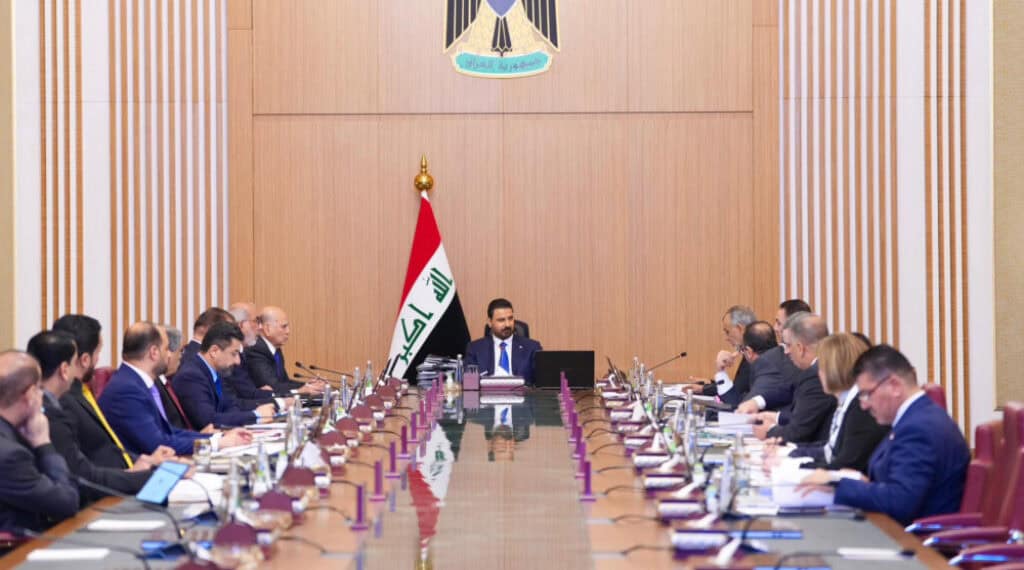
Iraq is working to shore up the economic stability and security of the Kurdistan Region in the wake of months of drone and missile attacks. More than 800 attacks, many assumed to have originated in Iran, were carried out on the autonomous region in northern Iraq after US and Israeli strikes on Iran commenced on February 28. US Secretary of State Marco Rubio also warned Iraq on June 23 about Iranian proxies launching drones and missiles from Iraq.
Among the key defenses that the Kurdistan Region is seeking from Baghdad are systems to stop drone attacks on energy facilities. For example, one target repeatedly threatened by drone attacks over the last several years has been the Khor Mor gas field and its Dana Gas facility. This vital energy site is 120 kilometers west of Sulaymaniyeh, the capital of the Sulaymaniyah Governorate.
The Kurdish Rudaw Media Network reported on June 18 that Baghdad will provide the defenses. In April 2026, an unnamed official from the Kurdistan Regional Government’s Peshmerga Ministry said that the region wanted radars and counter-drone systems, often called C-UAS systems. However, there have been many technical and legal obstacles to acquiring the systems.
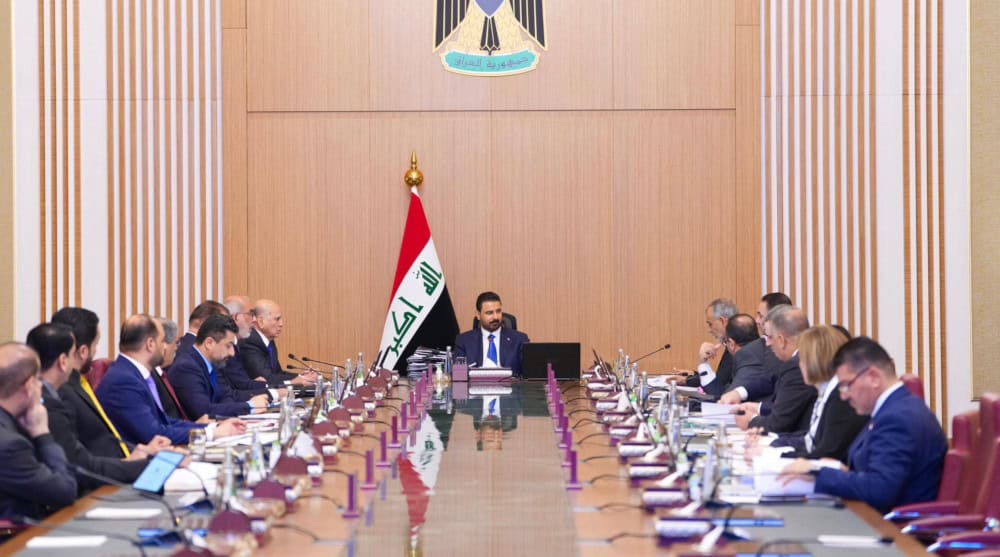
On June 20, Kurdistan Regional Government Interior Minister Rebar Ahmed said that Baghdad was “serious” about providing the drone defenses. “Iraqi Prime Minister Ali al-Zaidi promised to guarantee the security of investment companies, following a visit by a committee … in coordination with Kurdistan Regional Government Prime Minister Masrour Barzani,” Ahmed told reporters, according to The New Region. A member of Iraq’s parliament from the Security and Defense Committee confirmed the report to Rudaw.
This defensive effort comes as part of a broader decision by Baghdad to support energy and trade stability in the KRG, as companies are returning in the wake of the Iran conflict to produce oil and gas.
Separately, Prime Minister Zaidi is set to visit Washington in mid-July, and US Secretary of State Marco Rubio landed in the UAE on June 23 as part of a multi-nation trip to the region. “You can’t have the end of hostilities and conflicts in the region as long as Iranian proxies are launching missiles and drones from Iraq and are participating in terrorism like Hamas did and Hezbollah did,” Rubio said, without elaborating about the ramifications for Iraq.
Rubio’s comments come as Iraq’s new prime minister has sought to rein in and disarm militias in Iraq. Zaidi’s military spokesman, Sabah al Numan, was quoted on June 21 by Al-Ain media in the UAE as saying the issue of restricting weapons to state control is not negotiable. Zaidi recently named Qasim al Araji, a member of the Badr Organization, as his special security adviser, days after Araji was replaced as National Security Advisor. Numerous militias within the country’s Popular Mobilization Forces, largely composed of Iran-backed armed groups, are linked to Badr.
It is unclear whether the changes to Araji’s role will have ramifications for disarming the militias. Iran’s Ambassador to Iraq Mohammad Kazem al-Sadeq said on June 23 that he respects Iraq’s decision on weapons as an “internal Iraqi matter.”