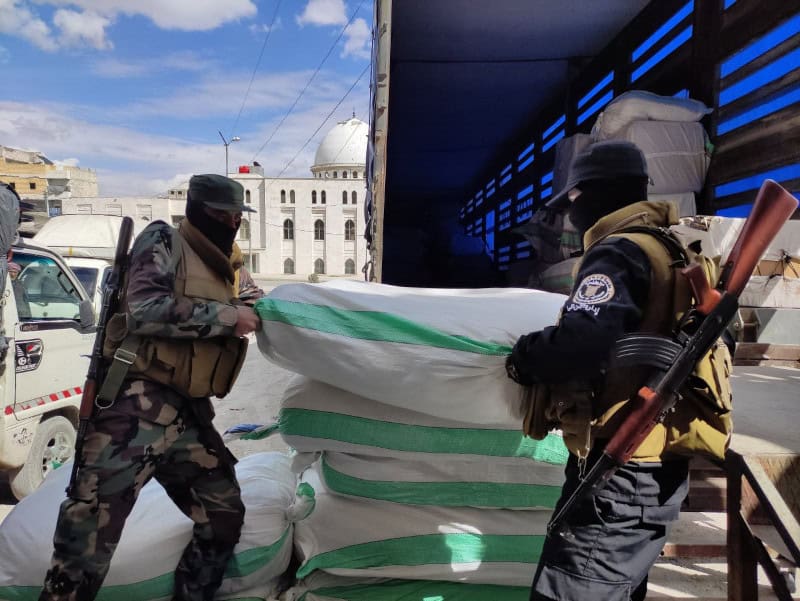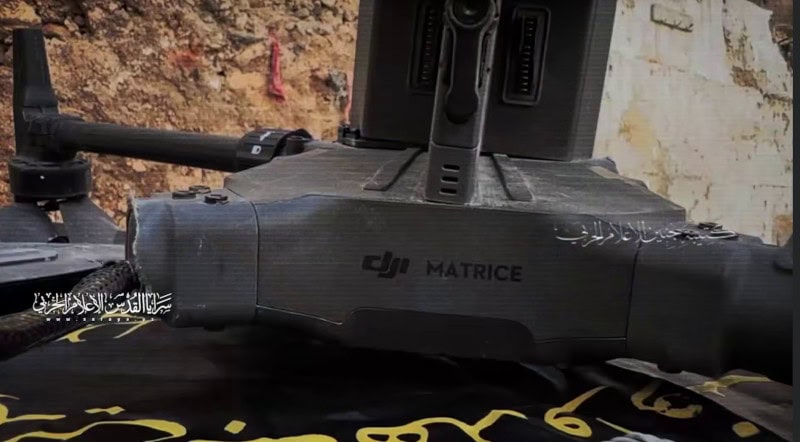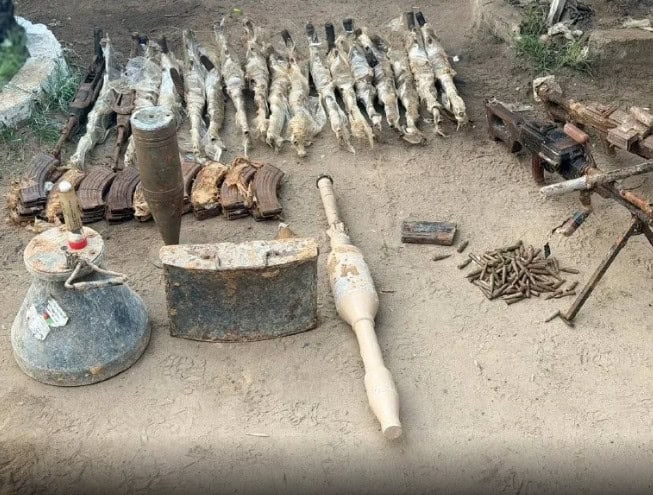
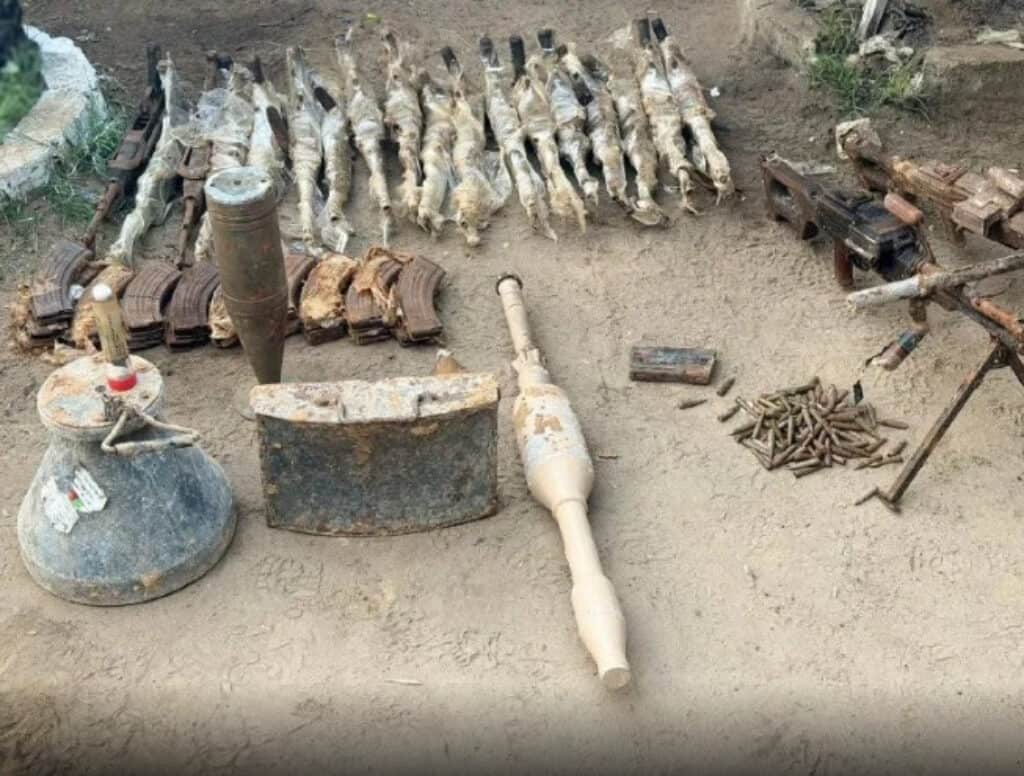
On April 19, The New York Times reported that Hamas officials said the group is ready to give up “thousands of automatic rifles and other weapons belonging to its police force and other internal security services in Gaza.” The report added that Hamas would provide the weapons to Gaza’s proposed new government, known as the National Committee for the Administration of Gaza (NCAG). The NCAG is a key future component of US President Donald Trump’s 20-point ceasefire in the enclave and would operate under the supervision of the international Board of Peace. The peace plan was endorsed by the UN Security Council (UNSC) earlier this year under Resolution 2803.
Hamas’s offer does not meet the full disarmament requirements proposed by the Board of Peace’s chief diplomat and High Representative, Nickolay Mladenov, who presented the terrorist organization with an eight-month phased plan for the relinquishment of all weapons in recent weeks during meetings in Cairo.
Despite Hamas’s reported readiness to hand over arms belonging to internal security and police forces, the group provided no clear affirmation that it was willing to disband its battalions of fighters within its armed wing, the Al Qassam Brigades, and give up their weapons. The New York Times report cites “experts” who estimate that the fighting wing of Hamas is armed with tens of thousands of rifles along with heavier weapons, like anti-tank missiles and rockets—a much more powerful arsenal than the police and internal security forces.
The reports come just a week after Hamas’s spokesperson, Abu Obeida — using a nom de guerre previously adopted by his eliminated predecessor — rejected disarmament outright, calling the process “something we will not accept under any circumstances.” The conflicting statements could suggest a rift between the top political leaders of Hamas, who reside abroad, and the armed fighters on the ground in Gaza.
Mkhaimar Abusada, a political science professor at Al Azhar University in Gaza who spoke to The New York Times on Hamas’s statements, assessed that the group “may only be trying to avoid turning down Trump’s plan.” However, Abusada maintained some optimism that the reports of a Hamas concession on weapons could “open the door to further negotiations over the rest of its weapons.”
The Board of Peace’s proposed disarmament plan would be implemented under the supervision of the “Weapons Collection Verification Committee,” led by Mladenov, who recently briefed the UNSC on the plan.
In phase one of the plan, the NCAG would take over security and administrative control of Gaza and prepare for weapons collection. Phase two would see Israeli forces remove tanks and artillery from areas it controls east of the Yellow Line, which bisects the Gaza Strip into sections controlled by Hamas and the Israel Defense Forces (IDF). During phase three, Hamas would relinquish its heavy weaponry to the NCAG and “allow the destruction of all tunnels, explosives, and military infrastructure.” Phase four would involve the deployment of the NCAG’s security force, which would collect and register all remaining firearms, including Hamas’s estimated 60,000 AK-47-style rifles.
Israeli troops would begin to withdraw from Gaza in phases. The final stage would serve as a verification step, during which the IDF would withdraw completely from the territory while still maintaining a yet-to-be-defined security perimeter.
Mladenov has described the group as “not easy” to negotiate with, but he also said that the Board of Peace has “had some very serious discussions with Hamas over the last few weeks.”
“I’m fairly optimistic that we will be able to come up with an arrangement that works for all sides and, most importantly, works for the people in Gaza,” Mladenov said. The Board of Peace had initially given Hamas until April 11 to accept the phased disarmament proposal, but the deadline came and went with negotiations still at a gridlock.
Reported Gaza ceasefire violations from April 17-21
Over the past few days, Palestinian terrorists have continued to violate the ceasefire in Gaza. On April 17, the IDF said that “combat team forces of the Negev Brigade (12), operating in the southern Gaza Strip, identified a terrorist who crossed the yellow line and approached the forces in a manner that posed an immediate threat.” The Israeli military eliminated the individual, according to the statement.
On April 18, in two incidents, the IDF said that soldiers from both the “Iron Fist” Brigade (205) in northern Gaza and the “Negev” Brigade in Southern Gaza had eliminated two terrorists who had crossed the Yellow Line in both regions.
On April 19 and 20, the IDF said that it had eliminated “two Hamas terrorists who planned to carry out terror attacks against IDF forces in the immediate timeframe.” In one strike, the IDF killed Ayman Husna, who the statement said had “manufactured and repaired combat means known to be used by Hamas terrorists to carry out terror attacks against our forces.” Along with Husna, the Israeli military eliminated Ans Khaled Safi, who it said had “planned to carry out a terror attack against IDF forces in the immediate timeframe.”