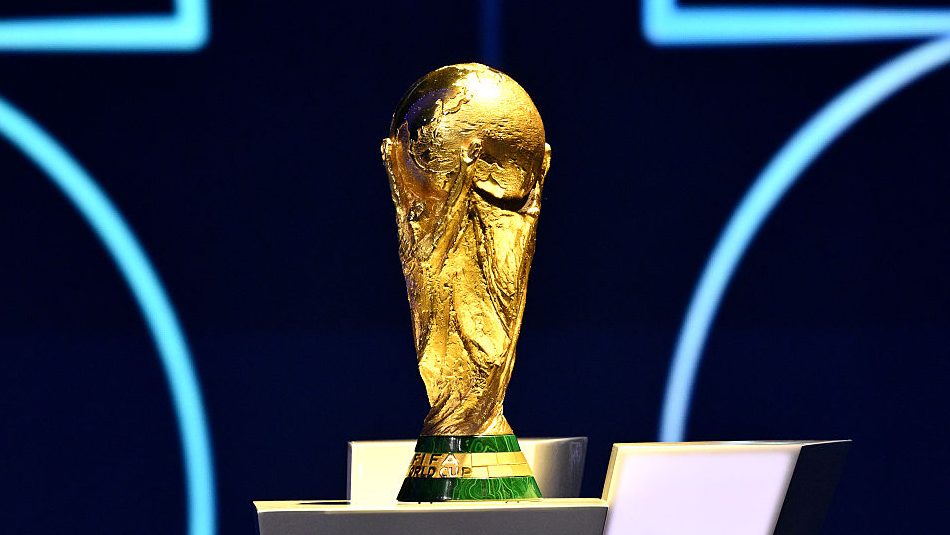
The 2026 FIFA World Cup is already dominating headlines, trending feeds and sportsbook projections, even though kickoff is still months away. Reports about ticket demand continue to surface, and host cities like New York, Los Angeles and Mexico City are staying in the spotlight. Across social platforms, countdown clips and prediction debates are gaining serious traction, while betting markets have quietly gone live with early World Cup 2026 odds.
The surge is not just an American story. Across Europe, betting interest around the World Cup 2026 is also accelerating. On Unibet Romania, early tournament fixtures are live, including Mexico vs South Africa on June 11, followed by US vs Paraguay, Qatar vs Switzerland, and Brazil vs Morocco on June 13.
Into that surge, celebrities are publicly picking sides. Loudly. Visibly. And fans are keeping receipts. So yes, celebs are claiming their World Cup 2026 teams. And yes, fans are spiraling.
The Star Power Already Surrounding 2026
The shift became obvious during the official 2026 World Cup draw. FIFA turned what is normally a procedural event into a crossover spectacle. Tom Brady appeared as a featured guest during the draw ceremony, helping place teams into groups. His involvement drew major attention, especially given his growing ties to international soccer ownership.
Shaquille O’Neal, Aaron Judge, Wayne Gretzky and Eli Manning were also part of the event. None of them are soccer players, but all of them carry massive American sports influence. Their presence signaled something clear, this World Cup is positioning itself as an American entertainment moment, not just a global soccer event.
Nicole Scherzinger and Heidi Klum served as co-hosts, adding fashion and pop culture visibility to what used to be a strictly sports broadcast.
This was not subtle. FIFA wanted celebrities attached to the narrative early.
Celebrities Are Investing, Not Just Posting
Some stars are going further than social media fandom. Snoop Dogg recently attended his first Swansea City match after becoming a co-owner of the club. The move connected American celebrity culture with European football ownership, and it sparked widespread coverage.
That matters because ownership equals alignment. When celebrities invest in clubs, fans immediately speculate which national team they will back in major tournaments. Loyalty becomes part of brand identity.
Tom Brady’s involvement in English football ownership also raises questions about whether his public World Cup alignment will follow club ties. Fans are already debating that online.
Social Media Is Fueling The Spiral
FIFA recently named TikTok its first “preferred platform” partner for tournament content. That decision signals a heavy creator-driven build-up to 2026.
That means more influencer access, more behind-the-scenes content, more celebrity interaction. It also means fans are watching closely.
When a celebrity appears at a draw event, wears a jersey, or posts about a host city, fans interpret it as allegiance. Comment sections fill up fast.
Common reactions include:
- Accusations of bandwagon support
- Screenshots of old posts showing different team support
- Heritage debates about who a celebrity is “allowed” to support
- Memes questioning authenticity
The World Cup has always triggered national pride. Now that pride collides with celebrity branding.
Why This Is Happening So Early
The 2026 tournament is not a normal World Cup. It is the largest in history, with 48 teams, three host nations, 16 host cities. It will likely break attendance and viewership records.The final will take place at MetLife Stadium in New Jersey, placing the championship game directly inside the New York media market. That alone guarantees celebrity attendance.
Brands know this. Celebrities know this. Locking into a team early creates alignment opportunities with sponsors, fashion partnerships and national marketing campaigns. In other words, this is about optics and access.
The Bigger Cultural Shift
Soccer in the United States has shifted from niche to mainstream entertainment property. The 2026 World Cup is being framed less like a tournament and more like a multi-week cultural festival. Luxury suites, influencer activations, streaming collaborations and brand integrations are already in development.
When celebrities attach themselves to teams now, they are securing their place in that ecosystem. Fans sense that. That is why they react so strongly. It is not just about who wins in 2026. It is about authenticity, identity and brand alignment.
So, Are Fans Really Spiraling?
Yes. When celebrities publicly associate with teams before squads are finalized, before qualifiers conclude, before group stages are played, it feels premature. Fans want loyalty to mean something.
But from a marketing perspective, this early positioning makes perfect sense. The 2026 World Cup will not just crown a champion. It will dominate entertainment headlines across North America. Celebrities understand that.
If the draw ceremony alone triggered debate, imagine what happens when stars start showing up in jerseys, host city events and pre-tournament parties. The real frenzy has not even started.