Key Takeaways
- The Light shows that Tom Tykwer still builds films around speed, chance, and emotional pressure.
- The roulette scene in Run Lola Run remains powerful because it turns uncertainty into visible tension.
- Even with a larger and slower structure, The Light keeps the same fate-driven energy as Tykwer’s earlier work.
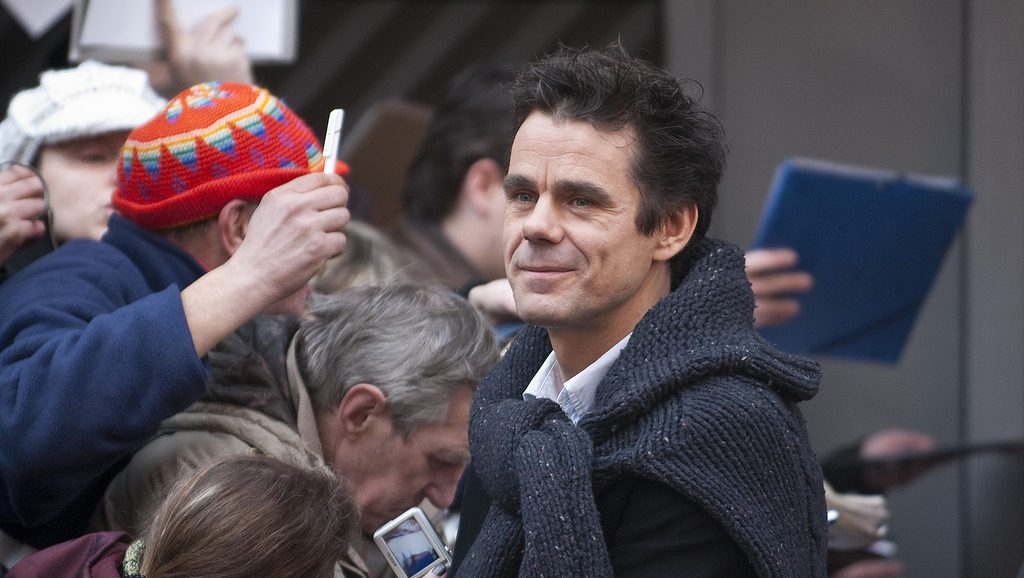
Tom Tykwer’s new film The Light does not try to remake Run Lola Run. It does something more interesting. It shows how deeply that earlier movie still lives inside his sense of rhythm, chance, and emotional pressure. Run Lola Run made its mark by turning Berlin into a clock. Every corner, scream, and delay felt like part of a system where one second could redirect a whole life. The Light works on a broader scale, but the core instinct is the same.
Tykwer still builds scenes around motion, interruption, and the feeling that fate is not abstract. It is physical. It arrives through bodies in motion, sudden turns, and near misses. That link matters because The Light opened the 2025 Berlinale, the popular Berlin film festival, placing Tykwer back in the public center of the city that helped define his most famous work. Even in a fuller, older, more layered story, he still films Berlin as a place where energy and accident can shape emotion.
Why the roulette scene still hits like a shock wave
One of the smartest things Run Lola Run does is pause its own forward rush in the casino. On paper, that should slow the movie down. In practice, it makes the tension even sharper.
That is why the sequence lands so hard. The whole movie is built on the idea that tiny changes create huge results. Roulette makes that idea visible in a single image. The ball spins, the wheel turns, and everyone waits for one precise outcome. Lola’s bet on 20 also matters because 20 is already the number haunting the film.
Tykwer also understands the power of delay. A roulette spin creates a brief pocket of stillness inside a frantic story. In that stillness, the tension spikes. The audience can read everything at once: the stake, the risk, the hope, the timing. No long explanation is needed. The wheel itself does the storytelling. Even Lola’s scream works because it gives the scene a near-mythic charge, as if raw will might bend probability for a second.
That same idea still exists in roulette online variations. The place changes, but the feeling does not. A player picks a number or a group of numbers, watches the wheel spin, waits for a moment, and then sees the result.
Online roulette keeps the same parts that made the casino scene in Run Lola Run so exciting:
- doing the same steps again and again,
- focusing on one clear thing,
- moving simply from choice to result,
- and waiting in that tense moment before the ball lands.
In online roulette, the screen is often closer and tighter, so the spin can feel even faster and more direct. That is why the Run Lola Run scene still feels modern today. Tykwer used a game that naturally turns not knowing into a strong, visible rhythm, whether it happens in a big casino room or on a screen.
The Light widens the sprint without losing the pressure
The clearest difference between the two films is scale. Run Lola Run is compact, stripped down, and brutally efficient. The Light opens outward. It gives itself more room, more detours, and more lives moving at once. But that larger shape does not erase Tykwer’s older habits. It shows how they have matured. He still loves recurring patterns. He still trusts movement to carry feeling. He still treats the city as more than a backdrop. In both films, Berlin feels active, like it is pushing the characters along.
| Measure | Run Lola Run | The Light |
| Runtime | 81 minutes | 162 minutes |
| Pressure model | A single urgent dash | A wider web of intersecting motion |
| Current festival frame | Berlinale 2026 programme title | Opening film of the 75th Berlinale in 2025 |
| Public scale marker | Classic still in circulation | Festival edition sold 340,000 public tickets |
These numbers show the idea clearly. The Light is twice as long, but it still follows Tykwer’s old idea that speed and rhythm help create meaning. He does not need to put everything inside one ticking countdown anymore.
So the movie feels less like a race and more like weather moving through a city. But the main force behind it still feels the same.
The same filmmaker is still chasing the same mystery
Tykwer himself framed the connection in simple terms when he told Deadline, “The big difference is that Lola runs in the summer, and we were shooting in late fall in the rain.” That line says a lot. The season changes. The mood deepens. The camera has more people and more pressure to hold. But he is still chasing the same mystery: how can movement turn into fate on screen? That question has followed him for a long time, and it still shapes The Light.
The timing around Run Lola Run’s 25th anniversary helps underline that continuity. When speaking to AP about the film’s return, Tykwer looked back on what made it work and described its appeal as having “a strong emotional center and quite a lot of structural and philosophical substance underneath.” That idea also helps explain The Light.

and instability that made Run Lola Run feel so full of life, even though this time the urgency
comes from a family falling apart, not from someone running through the city.
A larger form for the same obsession
For all its size and sprawl, it is not abandoning the old Tykwer engine. It is testing how far that engine can stretch. Instead of a single sprint, he now builds a denser emotional climate. Instead of one visible countdown, he creates pressure through accumulation, overlap, and collision. The method is different, but the belief is the same: style is not extra. Style is how feeling arrives.
The Light proves that Tykwer never really moved on from the questions that powered Run Lola Run. He simply found a larger form for the same obsession with speed, chance, and the life- changing force of one altered second.