

-
Written by: Ryan North
-
Art by: Gavin Guidry
-
Colors by: Adriano Lucas
-
Letters by: Buddy Beaudoin
-
Cover art by: Gavin Guidry, Giovanna Niro (cover A)
-
Cover price: $3.99
-
Release date: March 25, 2026
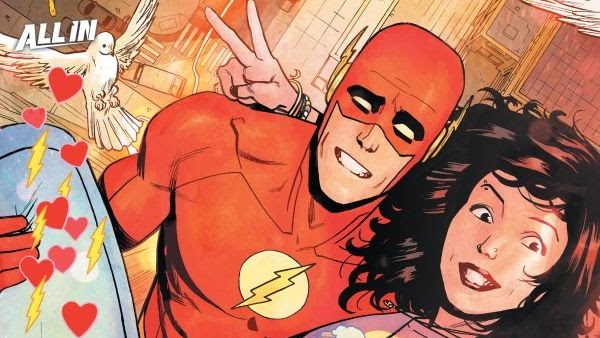
The Flash #31 (DC Comics, 3/25/26): Writer Ryan North and artist Gavin Guidry launch “Flashes of Insight” as Wally West balances domestic life with a bizarre vision of public self-endangerment. While the visual storytelling masterfully captures the Speed Force’s kinetic energy, the narrative logic regarding civilian “hero-baiting” feels technically disjointed. Verdict: For die-hard fans only.
First Impressions
Stepping into the world of Wally West feels like coming home to a cozy, albeit lightning-charged, living room before the floor suddenly drops out. Gavin Guidry’s clean lines and Adriano Lucas’s vibrant palettes immediately establish a warm, family-centric atmosphere that makes the transition into high-speed chaos feel earned rather than forced. There is a palpable sense of joy in the way the Speed Force is rendered, bubbling with a golden energy that crackles authentically across the page. However, the initial thrill of the action beats quickly gives way to a nagging skepticism as the central conflict’s logic begins to unravel under the weight of its own premise.
Plot Analysis (SPOILERS)
Wally West attempts to juggle the mundane challenges of a family dinner with the instantaneous demands of being the Flash, even using his speed to “perfectly” reheat a frozen casserole. His domestic bliss is interrupted when he intervenes in a chaotic situation involving Tar Pit and a misplaced Weather Wizard wand that creates a self-sustaining tornado. After dissipating the storm through scientific Coriolis force interruption, Wally experiences a jarring, vivid vision of a terrifying new trend.
The vision reveals a disturbing phenomenon where citizens intentionally place themselves in lethal danger, such as leaping from buildings or standing in front of trucks, solely to force a “Flash save.” These “hero-chasers” record these stunts for social media clout, viewing the Flash not as a savior but as a reliable safety net for their own recklessness. Haunted by this foresight, Wally must reconcile his role as a beacon of hope with the reality of a public that has weaponized his heroism against their own survival.
Writing
Ryan North masterfully captures the domestic banter of the West family, grounding the superheroics in relatable, witty dialogue that feels lived-in and sincere. The pacing is brisk, transitioning seamlessly from the warmth of a kitchen table to the high-velocity physics of a super-battle. However, the thematic core suffers from the same mismatch of science and story that plagued his earlier work at Marvel, particularly with the Fantastic Four. Specifically, the premise of “hero-baiting” through self-harm collapses under the slightest legal scrutiny. In the real world, inciting others to self-harm or creating public hazards falls under “Inducing Panic” or “Reckless Endangerment” (e.g., Ohio Revised Code § 2917.31 or similar statutes), yet the story treats this as a philosophical conundrum rather than a criminal epidemic. This technical oversight makes the stakes feel artificial, as the legal system would likely intervene long before the Flash’s moral compass had to spin.
Art
Gavin Guidry’s illustration style provides a masterful clarity that is essential for a speedster book, where the sense of motion can often become a cluttered mess. His character acting is superb, particularly in the subtle facial expressions of Linda Park-West, which convey a mix of exhaustion and deep affection without a single word of narration. The layouts flow with a natural momentum, using slanted panels and bleeding gutters to simulate the “tunnel vision” of super-speed.
Adriano Lucas’s color theory elevates the pencils, using a warm, saturated palette for the West home that contrasts sharply with the electric, cool tones of the Speed Force. The way the golden lightning illuminates the surrounding environment creates a sense of “kinetic shadows” that adds depth to the action sequences. This visual synergy ensures that even when the plot stumbles, the eye remains glued to the page, finding beauty in the blur of Wally’s wake.
Character Development
Wally West remains the most relatable Flash because North leans heavily into his role as a father, making his motivation to “spread hope” feel personal rather than just a cape-and-cowl obligation. His internal monologue reveals a man who is quietly world-weary yet stubbornly optimistic, a veteran hero who is tired of entropy but still bets on the cosmic energy of joy. The twins, Irey and Jai, are used effectively as mirrors for Wally’s own youthful impulsiveness, reinforcing the theme that speed is a gift that requires constant stewardship.
Originality & Concept Execution
The concept of a public so addicted to the “thrill” of being saved that they treat suicide attempts as a hobby is a fresh, cynical take on the superhero-citizen relationship. Unfortunately, the execution falters because North prioritizes the “complex philosophical concept” of the thrill-seekers-for-money over the systemic reality of how society actually functions. By focusing on the problem the stunts create rather than the illegality of the stunts, the story misses the opportunity to explore the real-world consequences of such behavior. It is an intriguing idea that North unfortunately executes with a heavy-handed focus on “neat ideas” that distracts from the emotional and legal weight of the situation. In short, North’s premise is a novel concept held back by bad execution, which is the same criticism we had for his Fantastic Four run (and a few others.).
Pros and Cons
What We Loved
- Brilliantly kinetic shadows and lighting effects drive the Speed Force action sequences.
- Guidry’s character acting captures the nuances of the West family’s domestic life perfectly.
- The dialogue between Wally and Tar Pit crackles with a refreshing, playful authenticity.
Room for Improvement
- The legal logic of the “self-harm for clout” plot feels technically thin and unrealistic.
- Over-reliance on scientific exposition occasionally halts the narrative momentum during critical action beats.
- The central inciting incident relies on a “Rogues Yard Sale” that feels overly convenient.
The Scorecard Final
Writing Quality (Clarity & Pacing): 2.5/4
Art Quality (Execution & Synergy): 3.5/4
Final Verdict
6.5/10
We hope you found this article interesting. Come back for more reviews, previews, and opinions on comics, and don’t forget to follow us on social media:
Connect With Us Here: Weird Science DC Comics / Weird Science Marvel Comics
If you’re interested in this creator’s works, remember to let your Local Comic Shop know to find more of their work for you. They would appreciate the call, and so would we.
Click here to find your Local Comic Shop: www.ComicShopLocator.com
As an Amazon Associate, we earn revenue from qualifying purchases to help fund this site. Links to Blu-Rays, DVDs, Books, Movies, and more contained in this article are affiliate links. Please consider purchasing if you find something interesting, and thank you for your support.