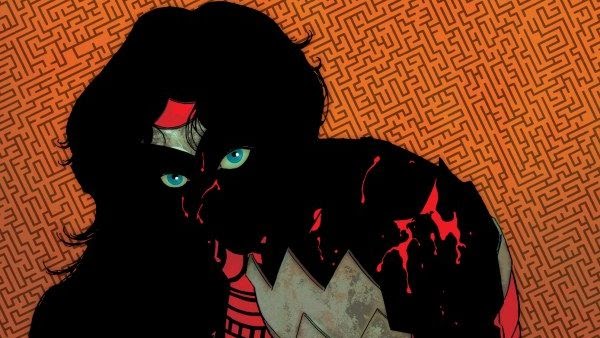
Absolute Wonder Woman #11, by DC Comics on 9/3/25, offers a ponderous journey through a hallucinatory labyrinth.
This issue felt like wading through molasses. The heavy-handed dialogue and slow-moving scenes made the narrative feel like a chore. I was left with a sense of frustration, as if the story was intentionally spinning its wheels.
Recap
In Absolute Wonder Woman #10, Wonder Woman found herself battling a bizarre, otherworldly assailant within The Maze, a labyrinthine structure located in Area 41. The hero entered The Maze to protect an unnamed scientist, but both became disoriented by hallucinogenic flowers. Wonder Woman fought blinded by the effects, and the comic ended with the introduction of a new, massive, and powerful foe.
Plot Analysis
The comic opens with Wonder Woman struggling against an unseen enemy within the Maze, her senses distorted by the hallucinogenic flowers. She is also protecting a scientist who is equally affected by the flowers. Wonder Woman attempts to ground herself by praying to Hera, who speaks to her about the importance of being both a warrior and a peacemaker. This internal monologue is juxtaposed with her attempts to fight her opponent.
In a flashback, young Diana speaks to a god in wolf form about her fear of disappointing the god. The god corrects her, explaining it values her uniqueness, which makes her different from itself.
Back to the present, Diana wakes up from the flower-induced haze and is met by Io, confirming some Amazons are still alive. Diana instantly bonds with her “sister” as they learn a bit about each other, where they’re from, and their mutual understanding of the situation. Io revealed she woke up in the Maze some years ago, and she helped form a small community of others lost in the Maze.
Now, Diana and Io concoct a plan to overcome Clea, the master of the Maze, and free everyone who is trapped. The plan involves soliciting the help of an ethereal entity following Diana along the way.
Detailed Review
Writing
The writing in this issue is a bit of a mixed bag. The dialogue is often overly philosophical and dense, making it difficult to connect with the characters’ emotions. The pacing is extremely slow, as the entire issue is essentially one long conversation and a single, drawn-out confrontation with Clea and a minotaur. While the central conflict is resolved, the lack of real-world action or plot progression leaves this reviewer feeling underwhelmed.
Art
The art by Hayden Sherman and the colors by Jordie Bellaire are the clear standout. The visuals are striking, particularly the surreal and hallucinatory sequences within the Maze. The use of vibrant and clashing colors effectively conveys the disorientation Wonder Woman and the scientist feel. The character designs are clean, and the action sequences, though limited, are dynamic and easy to follow.
Admittedly, I’m not a fan of Sherman’s indie style, but here, it suits the material.
Characters
The characters in this issue feel more like mouthpieces for the story’s themes than actual people. Wonder Woman’s internal struggle with her identity is a key part of the plot, but her dialogue is so ponderous and philosophical that she comes across as less a hero and more a walking platitude. Frankly, the excessive amount of mutual validation and unconditional love between Diana and Io after having only just met borders on bizarre.
Positives
The art is easily the best part of this issue. The surreal, dream-like quality of the visuals perfectly captures the hallucinatory nature of the Maze. The character expressions are detailed, and the action sequences are rendered with a dynamic sense of motion that makes them engaging. The colors verge on muddy with a abundant use of dark reds and brown but it sets the tone, transforming simple scenes into visually captivating moments.
Negatives
The most significant problem with this comic is the excruciatingly slow pacing. The entire issue is focused on a single, prolonged conversation that could have been handled in just a few pages. This deliberate sluggishness is a major narrative misstep, as it prevents the plot from advancing in any meaningful way. The philosophical dialogue, while thematically appropriate, is so heavy-handed that it bogs down the story and makes the characters sound less like people and more like abstract concepts.
About The Reviewer: Gabriel Hernandez is the Publisher & EIC of ComicalOpinions.com, a comics review site dedicated to indie, small, and mid-sized publishers.
Follow @ComicalOpinions on YouTube, Facebook, Instagram, and Twitter
Absolute Wonder Woman #11 is a perfect example of style over substance. It’s a visually stunning comic that’s bogged down by a slow, ponderous plot and dialogue that is more philosophical than functional. While the art is beautiful, it’s not enough to save a comic that reads more like a a philosophy paper than a compelling story. It’s a frustratingly boring and disappointing read that fails to deliver any of the action or excitement that a Wonder Woman comic should have.
5/10
We hope you found this article interesting. Come back for more reviews, previews, and opinions on comics, and don’t forget to follow us on social media:
Connect With Us Here: Weird Science DC Comics / Weird Science Marvel Comics
If you’re interested in this creator’s works, remember to let your Local Comic Shop know to find more of their work for you. They would appreciate the call, and so would we.
Click here to find your Local Comic Shop: www.ComicShopLocator.com
As an Amazon Associate, we earn revenue from qualifying purchases to help fund this site. Links to Blu-Rays, DVDs, Books, Movies, and more contained in this article are affiliate links. Please consider purchasing if you find something interesting, and thank you for your support.