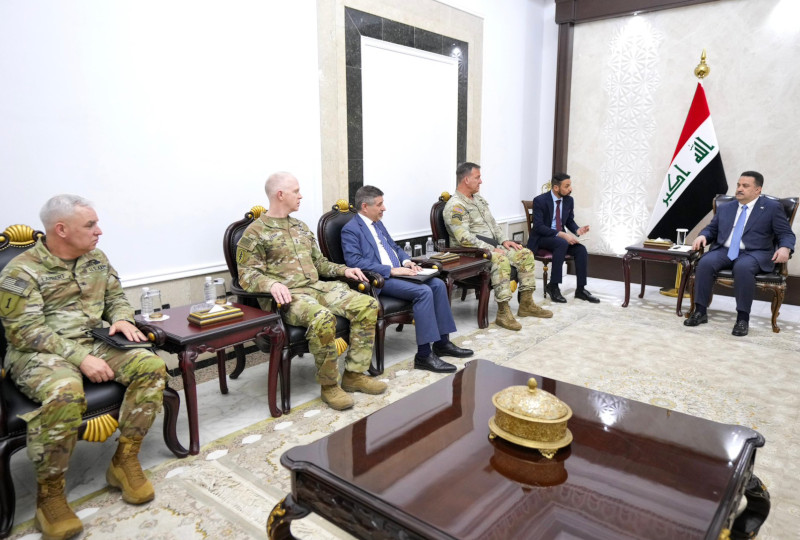

US Central Command (CENTCOM) has facilitated the transfer of around 5,000 Islamic State detainees from Syria to Iraq, according to Iraqi media reports on February 11. The US began the mission to transfer up to 7,000 detainees from Syria to Iraq on January 21, according to CENTCOM. Iraqi Justice Minister Khaled Shwani predicted that the transfer will be completed by February 12. The movement of Islamic State members to Iraq comes as Iraqi authorities have warned about the jihadist group’s threats in the Anbar and Nineveh provinces along the border with Syria.
The fate of thousands of Islamic State detainees in Syria became a concern in January during clashes between the Syrian government and the Syrian Democratic Forces (SDF). Thousands of adult male detainees and more than 20,000 detained women and children have been held in Syria since the Islamic State was largely defeated in Syria in 2019. The jihadist group’s members have been held in two dozen facilities in Syria, including two large camps.
The transfer of Islamic State members appears to have increased in early February in the wake of a deal between the Syrian government and the SDF. The government is deploying Interior Ministry forces to eastern Syria in areas previously controlled by the SDF, including territory where the Islamic State members had been held. By February 9, a report from The Arab Weeklysaid that 2,200 detainees had been moved to Iraq, a number attributed to unnamed Iraqi officials. Additional reports said that another 2,000 had been moved by February 10, bringing the total to 4,583.
The Kurdish Rudaw Media Network reported on February 11 that around 5,000 Islamic State members had been transferred. “The transfer of terrorist prisoners from Syria to Iraq is ongoing in coordination with the global coalition, and they are being held in Iraqi prisons,” the report quoted Sabah al Numan, spokesperson for Iraq’s commander-in-chief of the armed forces, as saying. Numan also said that the jihadists will be investigated, victims have a right to seek justice, and the detainees would face possible prosecution. Many of the Islamic State’s crimes took place in Iraq, including the genocide of the Yazidi minority in August 2014 and the massacres of Iraqi cadets and thousands of other Iraqis.
Another report at Iraq’s Shafaq News, also relying on unnamed Iraqi sources, noted that the Islamic State members include Turkish citizens. Shafaq said that the detainees “are being kept in fortified locations under strict surveillance, with layered security and thermal monitoring.”
A website affiliated with the Kurdish Patriotic Union of Kurdistan party reported on February 11 that Iraq Minister of Justice Khalid Shwani said that, so far, 5,046 Islamic State members had been transferred, and they came from 50 countries. Shwani said the detainees would not be placed in prisons in the autonomous Kurdistan region.
Iraqi National Security Advisor Qasim al Araji posted on X that the Iraqi parliament had held a discussion about the jihadist prisoners. “We affirmed that the file is subject to high-level security, intelligence, and judicial monitoring and scrutiny, ensuring the preservation of internal stability,” Araji noted on February 11. His post also indicates that several countries have spoken to Baghdad about repatriating their detained citizens from among the transfers.
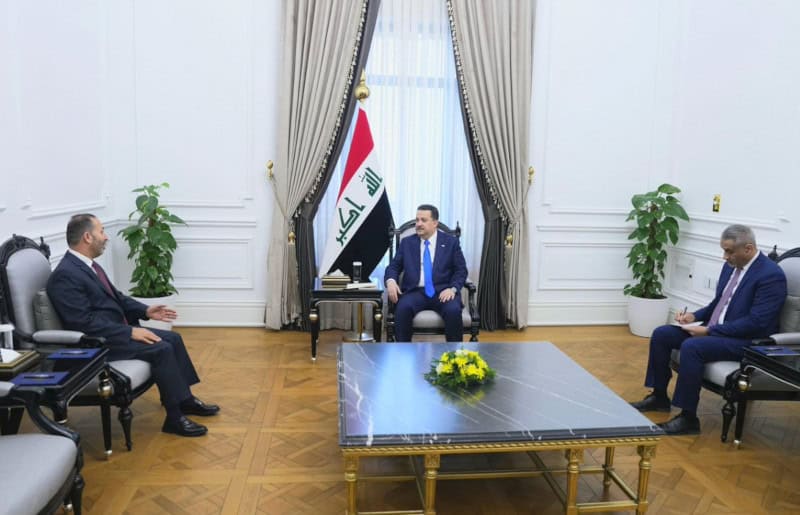
Iraqi Prime Minister Mohammed Shia al Sudani told the Jordanian ambassador to Iraq, Maher Salem al Tarawneh, on February 10 that “the transfer of ISIS terrorist prisoners from Syria to Iraq was undertaken by an Iraqi decision to safeguard national, regional, and international security.” Sudani called on countries to “assume responsibility for the terrorist prisoners,” a diplomatic encouragement for countries to repatriate their citizens.
As the detainees were being transferred, Iraq took part in a meeting of the US-led anti-Islamic State coalition in Saudi Arabia on February 9. Iraq Deputy Foreign Minister Shorsh Khalid Said met with German officials on the sidelines of the confab.
“Iraq stressed its categorical rejection of becoming a permanent repository for foreign terrorists, emphasizing the necessity for all concerned countries to repatriate their citizens who are members of the organization,” the Iraqi Ministry of Foreign Affairs said.
“Coalition members thanked Iraq for its leadership and recognized that the transfer of detainees into Iraqi custody is essential to regional security,” the coalition said in a joint statement released by the governments of the United States and Saudi Arabia.